Best power stations for whole-home backup
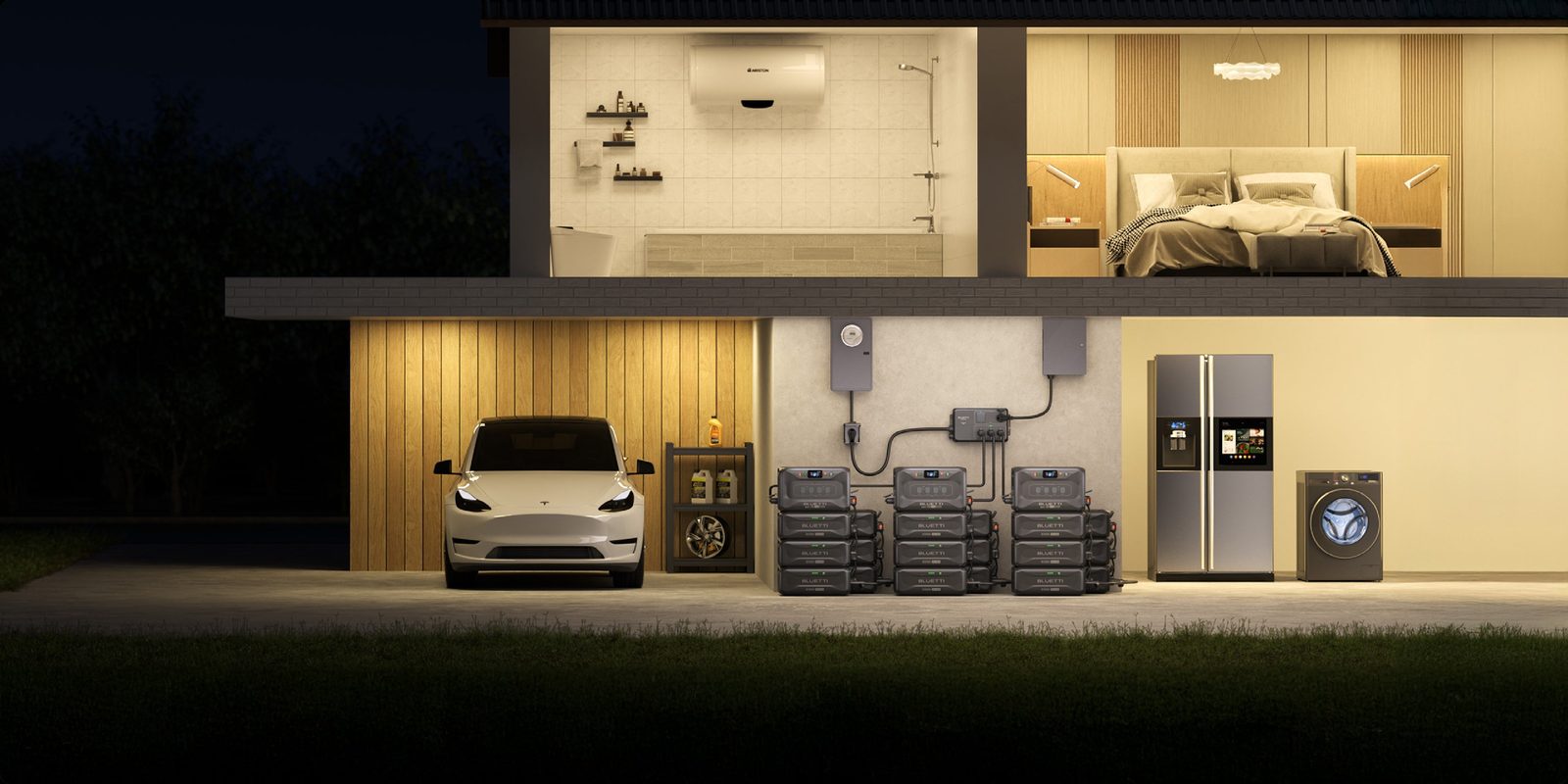
For whole-home backup, buy in this order: EcoFlow DELTA Pro 3 for the best balance of usable capacity (about 3,482Wh) and solar input, Anker SOLIX F3800 Plus if your 240V loads are heavy (6,000W native split phase output), and BLUETTI Apex 300 as the budget entry with a real solar ceiling you need to accept. The whole ranking method, and the full system prices with panels and tax, are in our head to head comparison.
How this ranking works
Whole-home duty punishes three weaknesses: too little usable energy, a solar input too small to matter on day two, and no path to 240V. So this roundup ranks on usable watt hours at the 85 percent factor, then solar input headroom, then native 240V support, then expandability. It does not rank on advertised surge numbers, app features, or how the box looks on a counter. If a model cannot feed a transfer switch and cannot refill at a useful rate, it is not a whole-home pick, whatever its battery size.
| Pick | Usable Wh | 240V | Solar story | Best for |
|---|---|---|---|---|
| EcoFlow DELTA Pro 3 | 3,482 | Yes | Full four panel array | Most homes, longest runtime per charge |
| Anker SOLIX F3800 Plus | 3,264 | Yes, 6,000W native | Full four panel array | Heavy 240V loads, well pumps |
| BLUETTI Apex 300 | 2,350 | 120V class base unit | 800W cap, two panels | Budget entry, shorter outages |
| Goal Zero Yeti PRO 4000 class | class of about 3,400 | Check current model spec sheet | Panel line sized to the unit | Buyers already in the Goal Zero ecosystem |
The Goal Zero row is deliberately worded as a class, not a verdict: its program terms were verified in our research (Partnerize, up to 10 percent, $600 plus average orders), and its big Yeti PRO line belongs in any whole-home conversation, but we rank only what we have fully worked through. It gets its full treatment in the first refresh wave, and this table will be updated with its checked figures rather than filled with guesses today.
The gas generators cross-shoppers compare
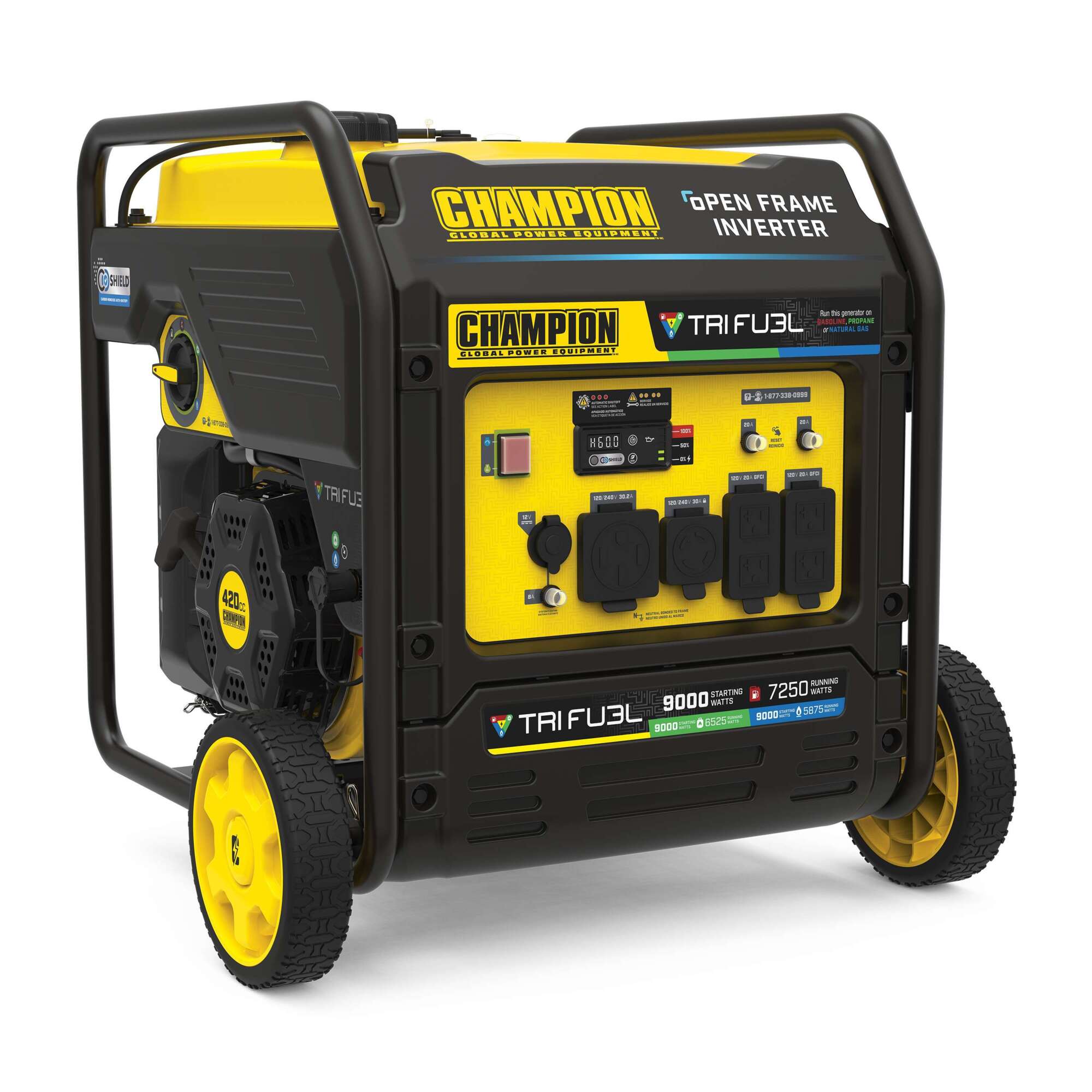
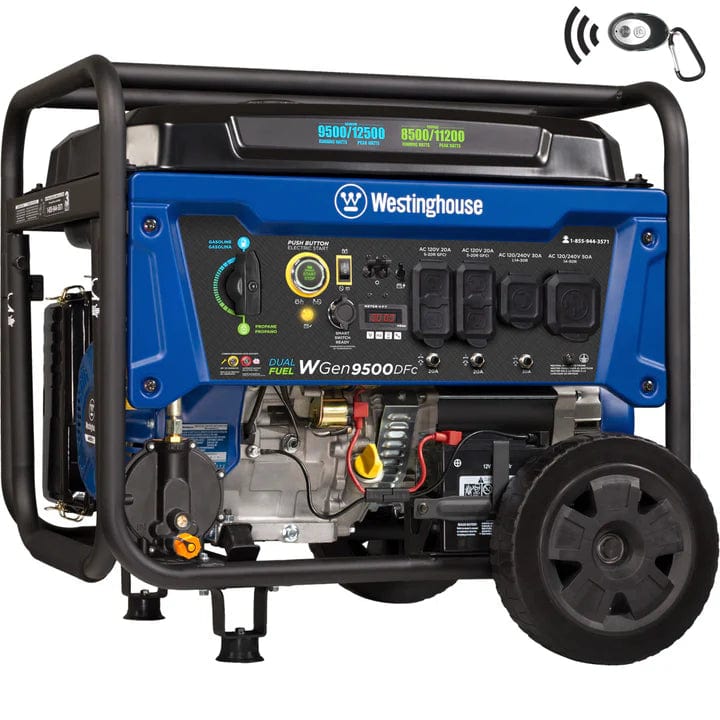
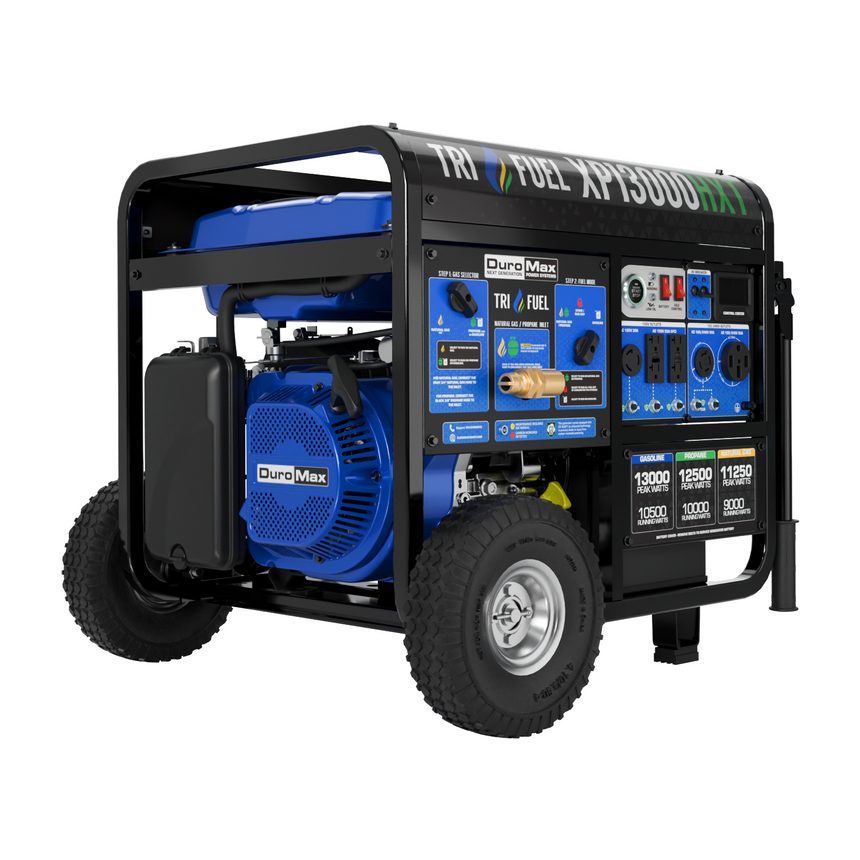
Every battery buyer in this class also looks at five gas machines, and an honest roundup names them: the Champion 9000W tri-fuel open frame inverter and 11,000W dual fuel inverter, the Westinghouse WGen9500DFc, the DuroMax XP13000HXT tri-fuel, the Generac GP9500E tri-fuel, and the Firman T07571 tri-fuel. None of them needs a battery sized in watt hours, all of them run as long as fuel lasts, and all of them are loud, outdoor only, and maintenance bearing in ways batteries are not. If your outages are long and your loads are heavy, one of these plus a small station for silent overnight loads is a legitimate, often cheaper architecture than a giant battery alone. They are sold through retailers like Amazon, Walmart, Home Depot, and Northern Tool, and our links to them are plain retailer links.
Size the system to your outage, not your fear
Run the runtime calculator with your actual loads. A house whose critical list averages under 150 watts gets through a full day on the DELTA Pro 3 with energy to spare. A house with a cycling sump pump, a furnace blower in January, and a freezer in the garage can drain the same battery by midnight. The difference between those houses is not the station. It is the load list, and it is knowable before you spend anything.
Who should skip this
Skip this class entirely if your panel cannot accept a transfer switch and you will not run cords, if your critical load is central air conditioning in a hot climate (that is standby generator territory), or if your outages average under four hours. Money spent past your real outage profile buys nothing but weight.
Plain links to the manufacturer. We may earn a commission on purchases in the future; today these links are not tracked.
Your next step: run your own loads and get hours, not guesses.
Open the runtime calculator