Sump pump battery backup options, compared
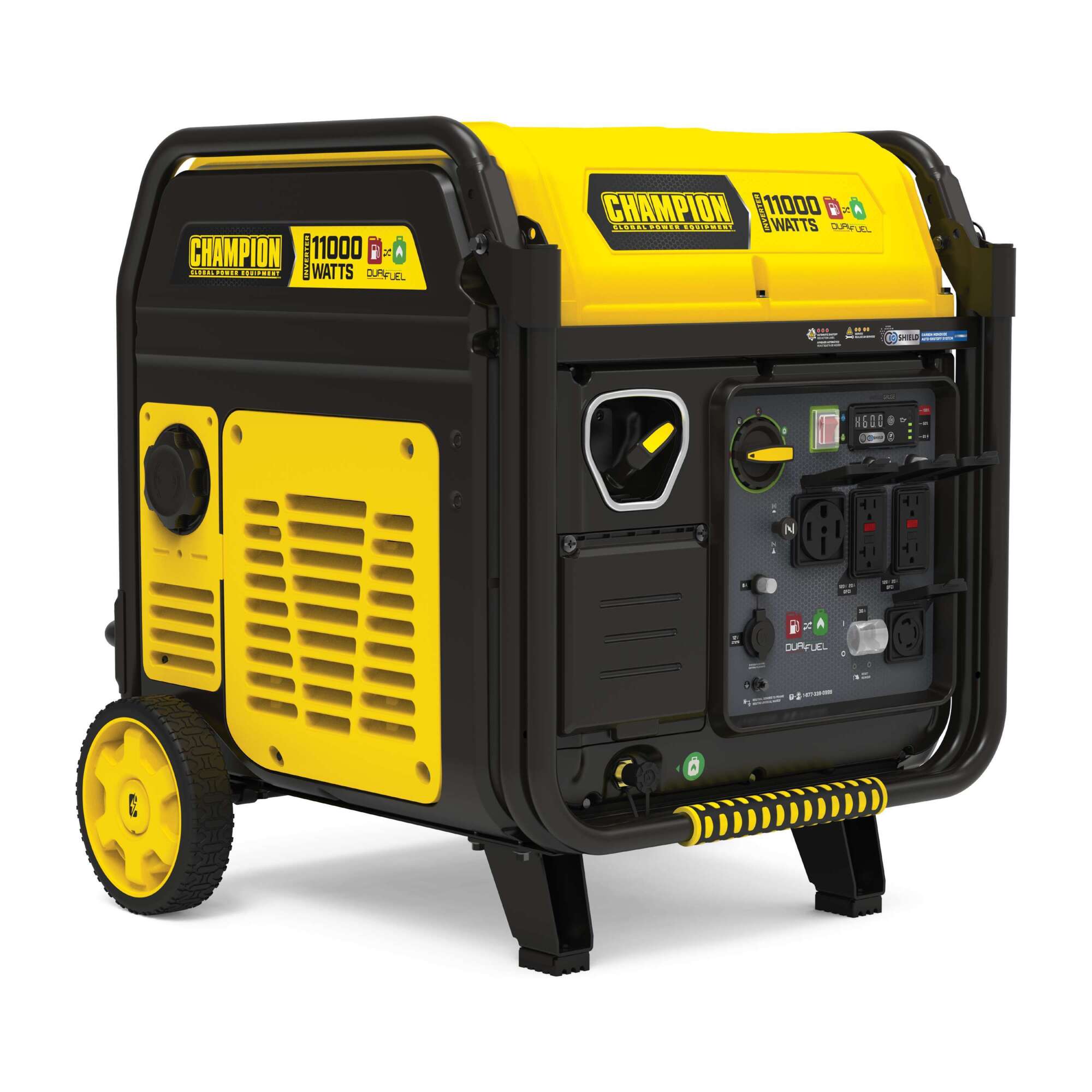
Three real options protect a basement. A power station is the flexible choice: it runs the pump and everything else, but you plug it in manually. A dedicated battery backup sump system is the automatic choice: a second pump on its own battery that takes over the second the power or the primary pump fails, with no one home. A water powered backup is the endurance choice: it runs on city water pressure with no battery to drain, but only where water pressure is strong and it spends gallons to save the basement. Pick by failure mode, not by price.
The three options, side by side
| Power station | Dedicated battery backup | Water powered backup | |
|---|---|---|---|
| Automatic | No, you connect it | Yes | Yes |
| Runtime limit | Battery size, roughly a day of cycling on a big station | Its battery, sized for pumping only | Effectively unlimited while water pressure holds |
| Also runs other loads | Yes, fridge, lights, router | No | No |
| Failure it misses | Nobody home to plug it in | Primary pit problems it is not plumbed for, long outages past its battery | Well water homes (no pressure without power), municipal outages that drop pressure |
| Maintenance | Low, keep it charged | Battery replacement on a cycle | Low, periodic test |
The surge lesson from our sump pump sizing guide applies to the first column only: a station must clear the pump's starting watts or it trips. The dedicated and water powered options never face that problem, because they are pumps, not inverters feeding a pump.
Which homes should pick which
- Someone is almost always home, and the sump is one of several worries: the power station. Its flexibility pays across every outage, not just wet ones.
- The house sits empty for stretches, or the basement has flooded before: the dedicated automatic backup, possibly alongside a station. Automation is the entire point, and a flooded finished basement costs more than both systems together.
- Strong city water pressure and long outage history: the water powered backup deserves a serious look. It is the only option here whose runtime is not a battery.
- Well water home: cross the water powered option off. No power means no pressure means no backup.
Who should skip this
Skip all three if your pit has never taken water in a major storm and your basement is unfinished with a floor drain that handles seepage. Backup systems are insurance, and some houses are genuinely low risk. Spend the money after the first wet surprise, not before, if that describes you.
Your next step: run your own loads and get hours, not guesses.
Open the runtime calculator