Solar panels for power stations: rigid vs folding
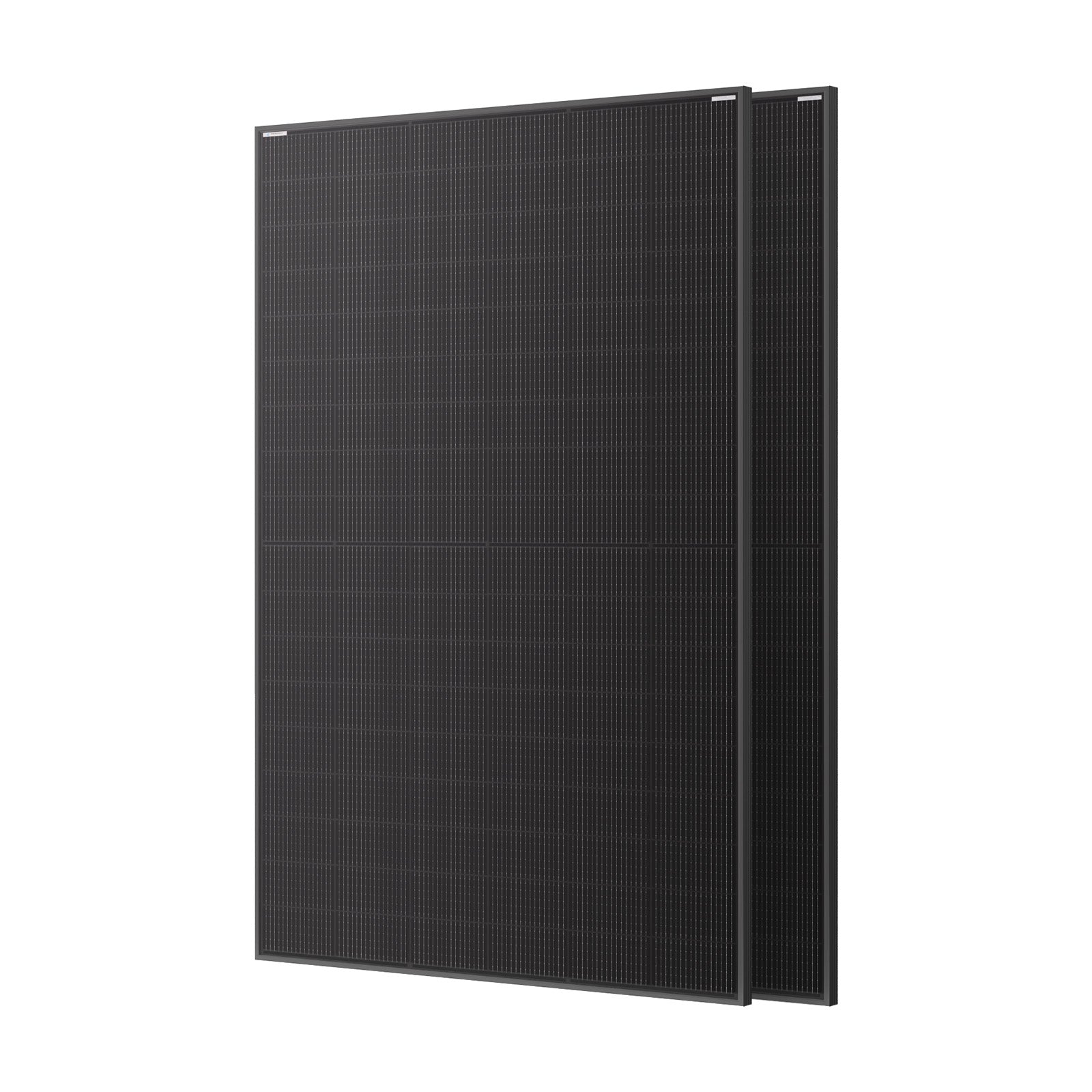
Rigid panels are the cheap watts and folding panels are the convenient watts. In our checked research, four rigid Renogy 400W panels ran about $1,293.99 plus $300 shipping, roughly $1.00 per watt delivered, while folding panels of similar total wattage typically cost two to three times more per watt. If the panels will live in one sunny place, buy rigid. If they must pack into a closet, a car, or an apartment balcony, buy folding and accept the price of portability.
The cost per watt math
| Panel type | Example from checked research | Cost per watt | Character |
|---|---|---|---|
| Rigid, 400W class | Four Renogy 400W panels, $1,293.99 plus $300 shipping | about $1.00/W delivered | Heavy, fixed or ground mounted, durable |
| Folding, 200 to 400W class | Brand folding panels sized to portable stations | typically $2 to $3/W | Light, packs flat, sets up in minutes |
Shipping is the line item that surprises rigid panel buyers. A 400W rigid panel is roughly the size of a door, freight is real money, and the $300 in our research was for four panels delivered. Price panels delivered, never at the product page number alone. Per watt math also explains why stations bundle folding panels: the bundle looks premium because the panel in it genuinely costs more to make portable.
When each one wins
- Rigid wins when the array is semi permanent: a ground mount in the yard, a garage roof, a shed. You pay once for the watts and they work for decades with no setup step during an outage, which is when setup steps get skipped.
- Folding wins when storage is the constraint: apartments, rentals, RVs, and any house where four door sized panels have nowhere to live. A panel in a closet that you actually deploy beats a panel you never bought.
- Mixing is legitimate. A rigid base array for the home station plus one folding panel that travels is a common end state, and stations do not care which family a watt came from, only that the electrical limits in the next section are respected.
Either way, the input limit rules
Panel choice ends at the station's solar input: its maximum watts, maximum voltage, and connector type. Four 400W rigid panels are 1,600W of array, which a station capped at 800W (the BLUETTI Apex 300) simply cannot accept. Before any panel purchase, read our panel compatibility explainer. It is the cheapest page on this site to read and the most expensive one to skip.
Who should skip this
Skip panels altogether if your station recharges from a wall or vehicle between short outages, or if your only placement is deeply shaded. A panel in shade produces a fraction of its rating and turns an honest backup plan into a hopeful one.
Plain links to the manufacturer. We may earn a commission on purchases in the future; today these links are not tracked.
Your next step: run your own loads and get hours, not guesses.
Open the runtime calculator