Midwest winter storm outage checklist
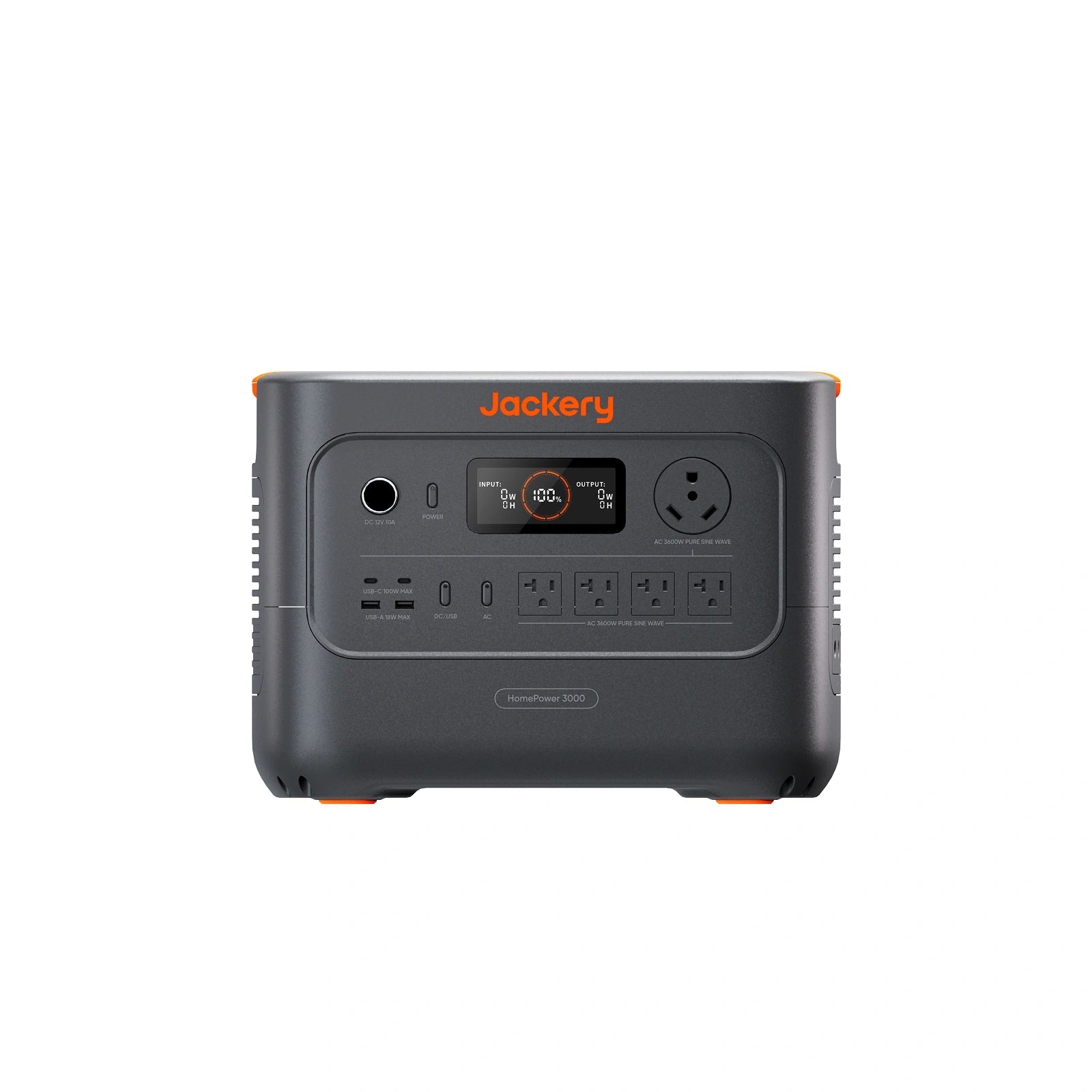
Winter outages in the Midwest are cold first and dark second. The priorities, in order, are keeping pipes from freezing, keeping heat sources safe, keeping food cold (easy in winter), and keeping the sump ready for the thaw that follows the storm. Charge everything before the ice arrives, because winter is when a battery station earns its silence: it works indoors, at night, with no fuel run and no carbon monoxide risk.
Before the storm
- Charge the power station to full and top up phones, laptops, and battery packs.
- Fill the car with fuel and park it where ice will not trap it. A full tank is also a phone charging station of last resort, engine running outdoors only.
- Fill jugs and the bathtub with water. If pipes freeze anyway, you will want it, and frozen jugs in the freezer add cold mass.
- Set the fridge and freezer to their coldest settings the night before, and group food so the doors open less.
- Locate the main water shutoff and confirm you can turn it. The fastest pipe damage control is stopping the water, and it is a two minute job today and a miserable one at 3 a.m. in the dark.
- Drip faucets on exterior walls if temperatures will stay well below freezing, and open cabinet doors under sinks.
- Stage flashlights, not candles, and check the battery in the carbon monoxide detector if you will use any combustion heat or a fireplace.
During the outage
- Run the station for the fridge and freezer in blocks, and let their insulation carry the gaps (see the fridge and freezer guide).
- Conserve heat by closing off unused rooms and hanging blankets over drafty doorways. Dress for the indoor temperature you have, not the one you want.
- Never run a gas generator, grill, or camp stove indoors or in a garage. Carbon monoxide is the leading storm killer in this category, and it is odorless.
- Check on the sump pit if rain or melt is part of the storm. A station sized by our sump guide can be moved to pump duty; that is the flexibility you paid for.
- Watch indoor temperature near pipes, not just in the living room. A basement thermometer reading tells you when to escalate to draining the lines.
The thaw is the second storm
Most Midwest winter water damage arrives 24 to 72 hours after the ice, when everything melts at once and sump pits that were quiet all winter suddenly cycle hard, sometimes while power crews are still working elsewhere. Keep the station's charge reserved for the pump during the thaw window, test the pump by pouring a bucket into the pit, and clear the discharge line outside if ice has blocked it. Printing this page (the print layout strips the navigation) and keeping it with the station is the entire point of the checklist format.
Who should skip this
Skip the full drill if your home has whole house standby generation with automatic transfer; your checklist is a fuel and maintenance one, not this one. Skip also if your winter outages have historically been under two hours and your pipes are all interior; scale the prep to the risk you actually have.
Your next step: run your own loads and get hours, not guesses.
Open the runtime calculator