
EcoFlow DELTA Pro Ultra vs Jackery Explorer 5000 Plus
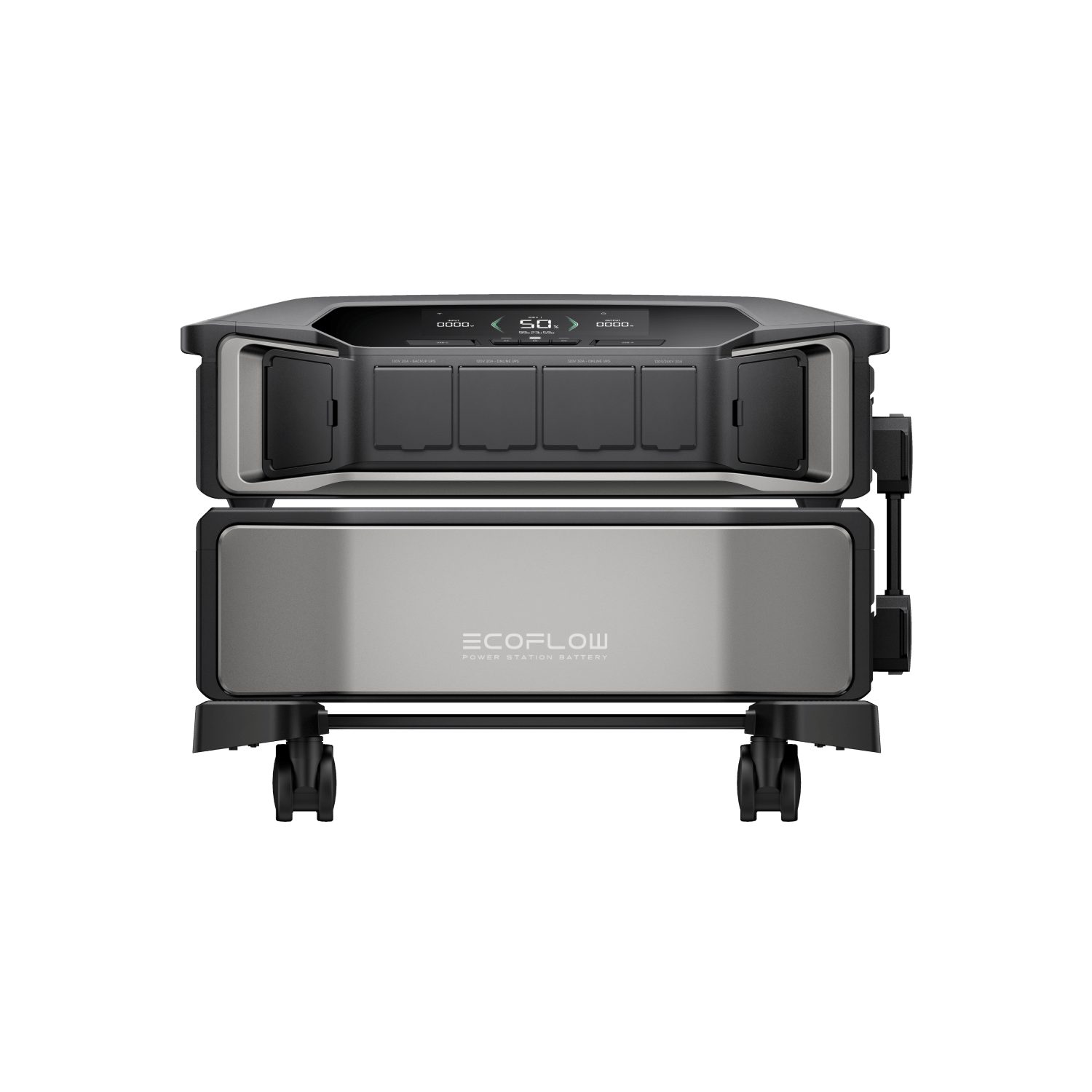
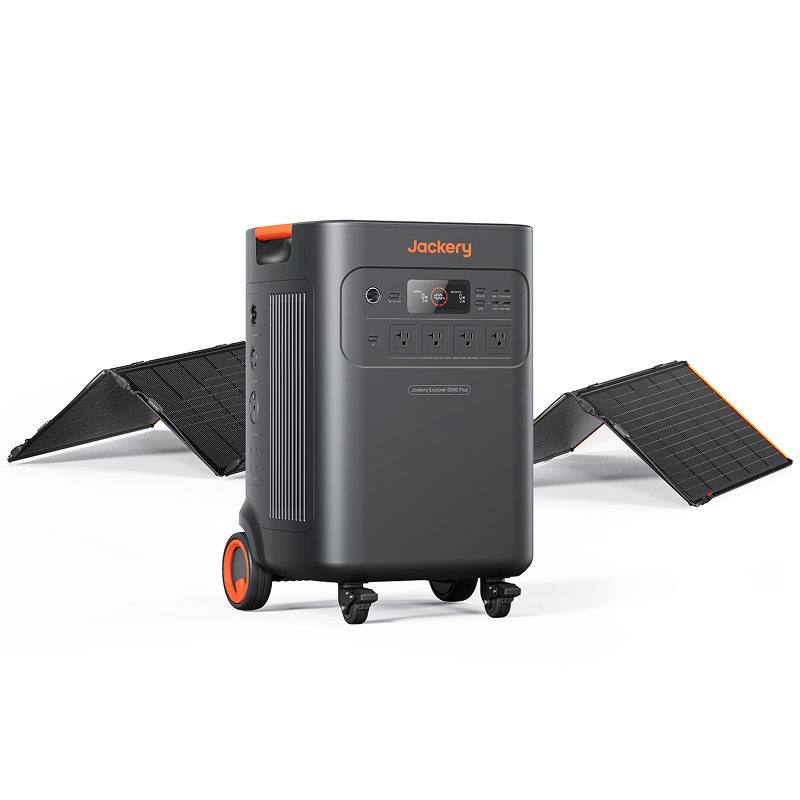
The top of the portable class, head to head. The EcoFlow DELTA Pro Ultra is the biggest battery here: 6,144 rated watt hours, about 5,222 usable, with a 5,600 watt solar input that no other portable on this site matches. The Jackery Explorer 5000 Plus answers with the same 7,200 watts of steady output, the strongest published starting push in the catalog (14,400 watts), about 47 fewer pounds, and a box price $700 lower. Per usable watt hour they nearly tie (about $0.80 EcoFlow, about $0.82 Jackery), so again the decider is your house: the EcoFlow buys hours and refill; the Jackery buys surge headroom and a machine one person can actually move.
Start with usable capacity, and what it costs
Every station advertises its rated watt hours. What reaches your fridge is less, because the inverter (the part that turns battery power into normal outlet power) uses part of the battery on the way out. Planning on 85 percent of rated capacity is the honest rule, and it is the factor in every table on this site. Prices below are the box prices from our catalog check, at the seller named; the cost per usable watt hour table prices full systems with panels and tax for the big three.
| EcoFlow DELTA Pro Ultra | Jackery Explorer 5000 Plus | |
|---|---|---|
| Rated capacity | 6,144 Wh | 5,040 Wh |
| Usable at 85% | 5,222 Wh | 4,284 Wh |
| Box price (checked, at EcoFlow US / jackery.com) | $4,199 | $3,499 |
| Cost per usable watt hour | $0.80 | $0.82 |
On the standard home list (322 watts average), the DELTA Pro Ultra lasts about 16.2 hours per charge and the Explorer 5000 Plus about 13.3. On the heavier most-of-the-house list (1,242 watts average), those become about 4.2 and about 3.4 hours, which is why this class earns its keep paired with solar or a panel connection, not as a bigger camping battery.
Output, starting push, and refill speed
Steady output is what a station can give without stopping; the starting push is the bigger burst it can hand a motor for the second it starts (a fridge needs about 1,200 watts to start, a 1/2 HP well pump about 3,000). Solar input is the widest doorway panels can refill through, and it decides day two more than battery size decides day one.
| EcoFlow DELTA Pro Ultra | Jackery Explorer 5000 Plus | |
|---|---|---|
| Steady output (runs without stopping) | 7,200 W | 7,200 W |
| Starting push (surge, for motor starts) | 10,800 W | 14,400 W |
| Solar input, most it can take | 5,600 W | 4,000 W |
| Weight | 181.8 lb | 134.5 lb |
Big batteries, two different ideas of big
The EcoFlow's idea is a system that happens to be portable. About 5,222 usable watt hours is a full night on the "most of the house" list from our sizing guide (which averages 1,242 watts), and the 5,600 watt solar input means a serious panel array refills it in a day of good sun instead of nursing it. At 181.8 pounds it is portable the way a piano is portable: it has wheels and handles, and you will still plan every move.
The Jackery's idea is the strongest single box. Its 14,400 watt published starting push is the highest figure in our catalog, which matters for the worst second in backup power: a well pump and a furnace fan starting in the same moment on top of everything already running. Its battery is smaller (about 4,284 usable watt hours), its solar ceiling lower (4,000 watts, still wide), and at 134.5 pounds it is merely very heavy instead of extremely heavy.
On the standard home list (322 watts average), the EcoFlow runs about 16.2 hours and the Jackery about 13.3. Both laugh at a normal overnight outage; the difference only shows up in the second day, which is exactly where the EcoFlow's solar input starts earning its price.
The verdict, by household
- Multi-day outages and big solar plans: EcoFlow DELTA Pro Ultra. The battery and the 5,600 watt doorway are the point.
- The hardest motor starts, and a box one person can move: Jackery Explorer 5000 Plus. The strongest published surge in the catalog, 47 pounds lighter, $700 less.
- Either way: both feed a panel through an inlet box and switch; neither belongs on a wall outlet, ever.
Still deciding against a third finalist? Tick a box and the compare bar at the bottom lines that unit up against anything else on the site:
Questions readers ask
Which has the bigger battery, the DELTA Pro Ultra or the Explorer 5000 Plus?
The DELTA Pro Ultra: 6,144 rated watt hours, about 5,222 usable at this site's 85 percent planning factor, against the Explorer 5000 Plus's 5,040 rated and about 4,284 usable. On the standard home list that is about 16.2 hours against about 13.3 hours.
Which one starts heavy motors more safely?
On published figures, the Jackery: its 14,400 watt starting push is the highest in our catalog, ahead of the EcoFlow's 10,800 watts. Both clear every starting target in our sizing guide, including the 6,892 watt whole-house target, with room to spare.
Are these too big for an apartment?
Almost certainly. Both are 240 volt whole-home machines over 130 pounds, priced for houses with panels to feed. An apartment list (fridge, lights, phones, router, laptop) is covered for a full day by the 2,000 watt hour class at a quarter of the price; start with the sizing guide and buy the size your list asks for.
Who should skip this
Skip both if your outages are overnight at worst and your list is the standard one: the class below (the DELTA Pro 3 and F3800 Plus) covers that night for roughly $1,400 less. Skip both if nobody at your house can move 130-plus pounds safely; a smaller station you can position beats a flagship stranded in the garage.
Plain links to the manufacturer. We may earn a commission on purchases in the future; today these links are not tracked.
Your next step: run your own loads and see the hours on both, not just the specs.
Open the runtime calculator