A CPAP is the simplest math on this page and, for the people who use one, the highest stakes. Without a heated humidifier, a typical CPAP draws about 30 watts and it draws them all night, every minute: there is no cycling, so the run share is 100 percent and the hours are a straight division. Its starting push is tiny, about 60 watts, so almost any battery can start one. The only question is size.
One figure to be careful with: the 30 watts is the no-heated-humidifier planning number, the same one the runtime calculator uses. A heated humidifier and heated hose can multiply the draw several times over. If you sleep with the humidifier on, turn it off for outage nights if your doctor's guidance allows, or size for it honestly in the calculator's Fine tune. To think in nights, divide the hours by about 8.
On the planning figures this site uses, a CPAP draws 30 watts while it runs and averages 30 watts across the day, because it only runs about 100% of each hour. Battery hours are the battery you can actually spend (about 85% of the printed size) divided by that average. The best-value battery we cover for this job, the FOSSiBOT F3600 Pro, runs a CPAP for about 4.5 days (109 hours).
This appliance draws 30 watts while it runs, about 100% of each hour on average (30 watts averaged out), and needs a starting push of 60 watts.
80 batteries we cover can run a CPAP on their own: each one puts out at least 30 watts without stopping and can burst at least 60 watts for the starting push. Ranked the way this site ranks everything, lowest price per usable watt hour first.
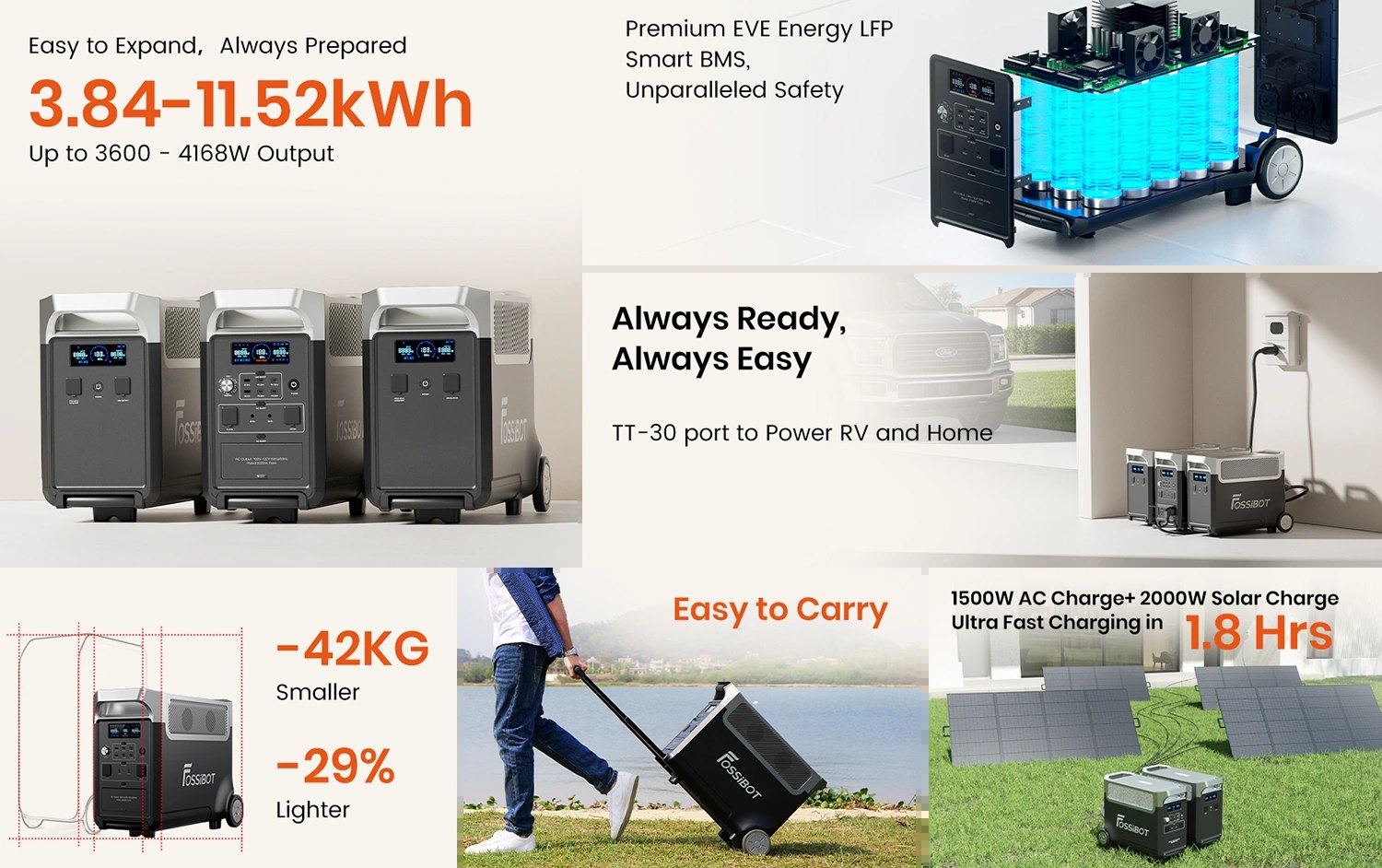
Runs a CPAP for about 4.5 days (109 hours)
$1,159at FOSSiBOT US, checked November 15, 2026
Product page and current price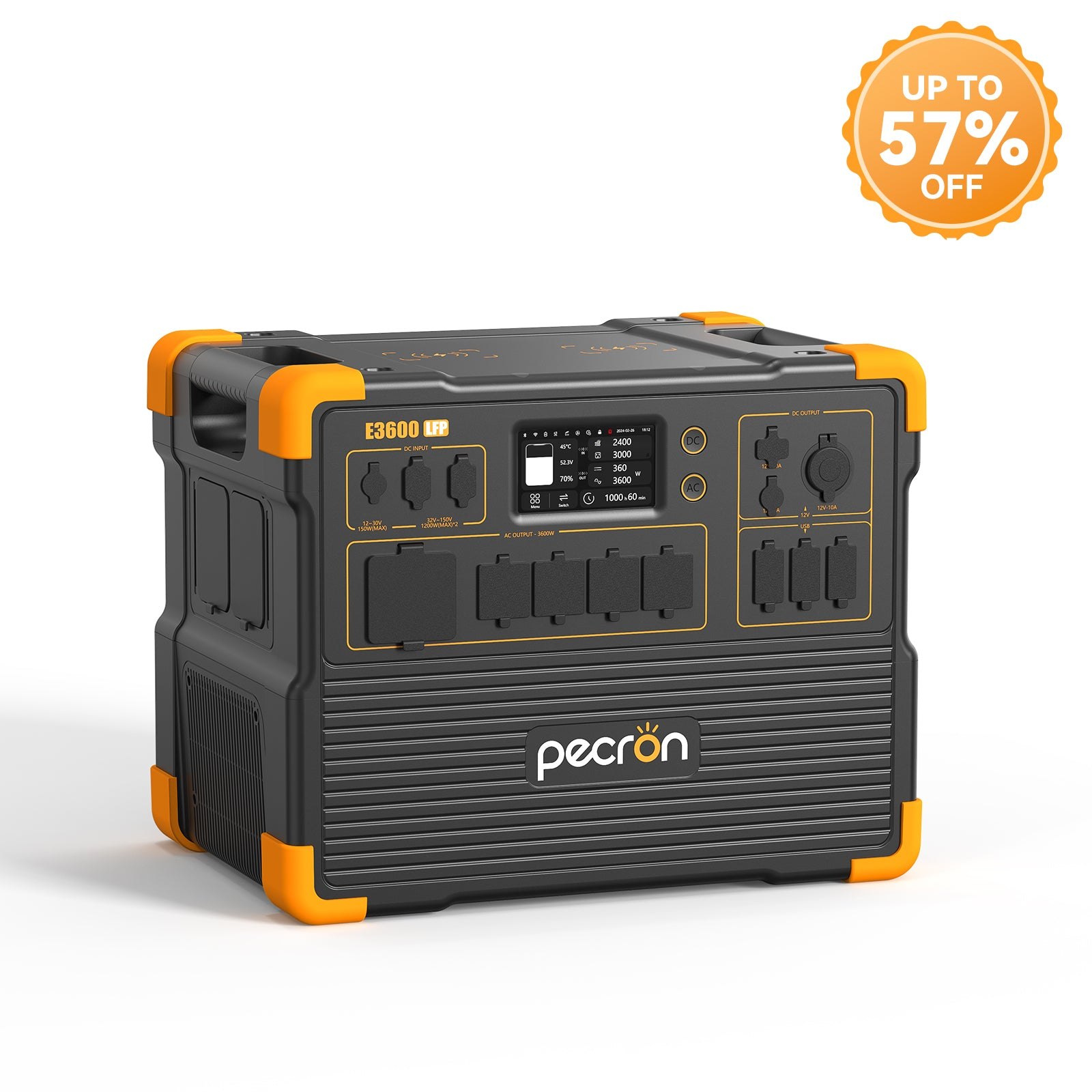
Runs a CPAP for about 3.6 days (87 hours)
$999at Pecron, checked November 15, 2026
Product page and current price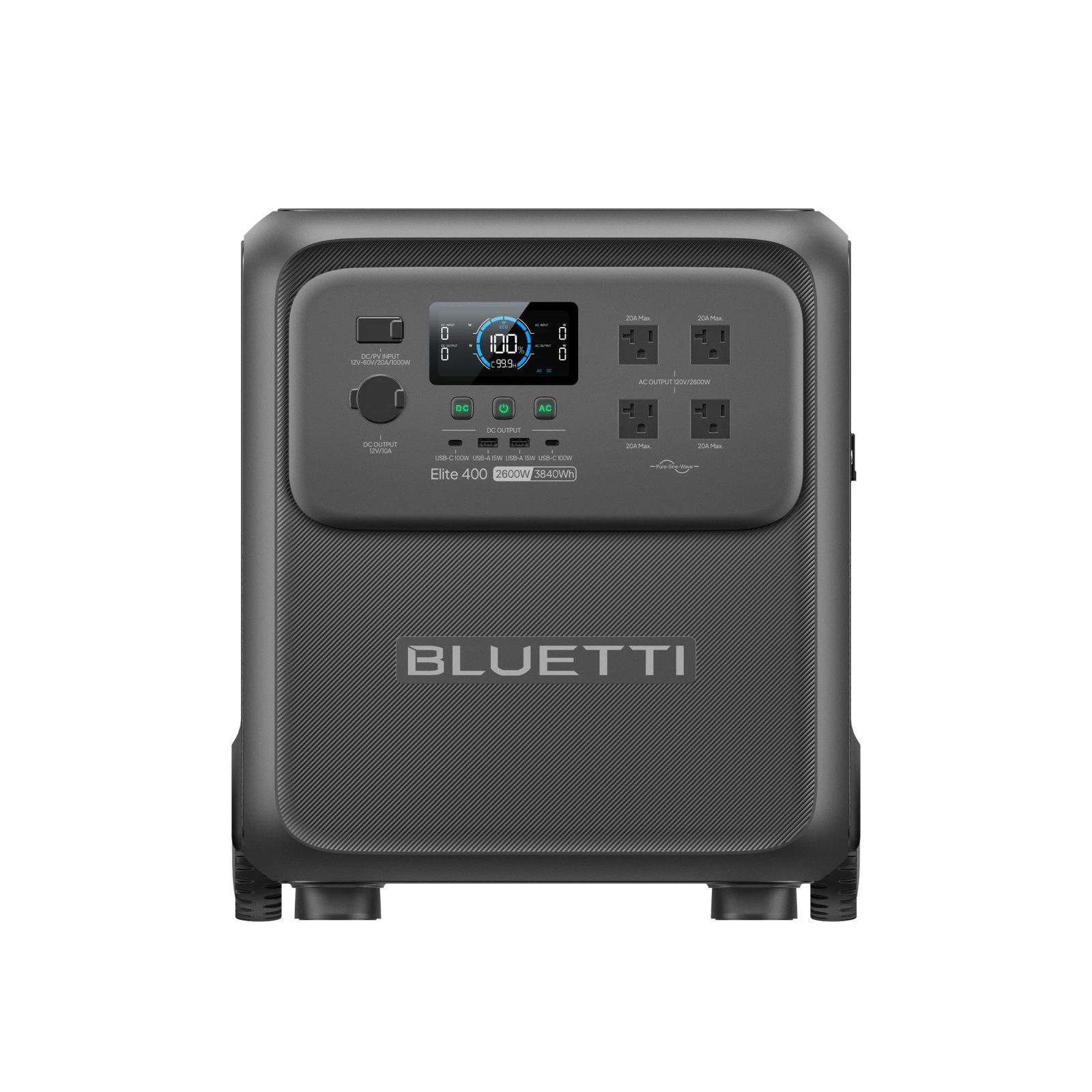
Runs a CPAP for about 4.5 days (109 hours)
$1,499at bluettipower.com, checked November 15, 2026
Product page and current price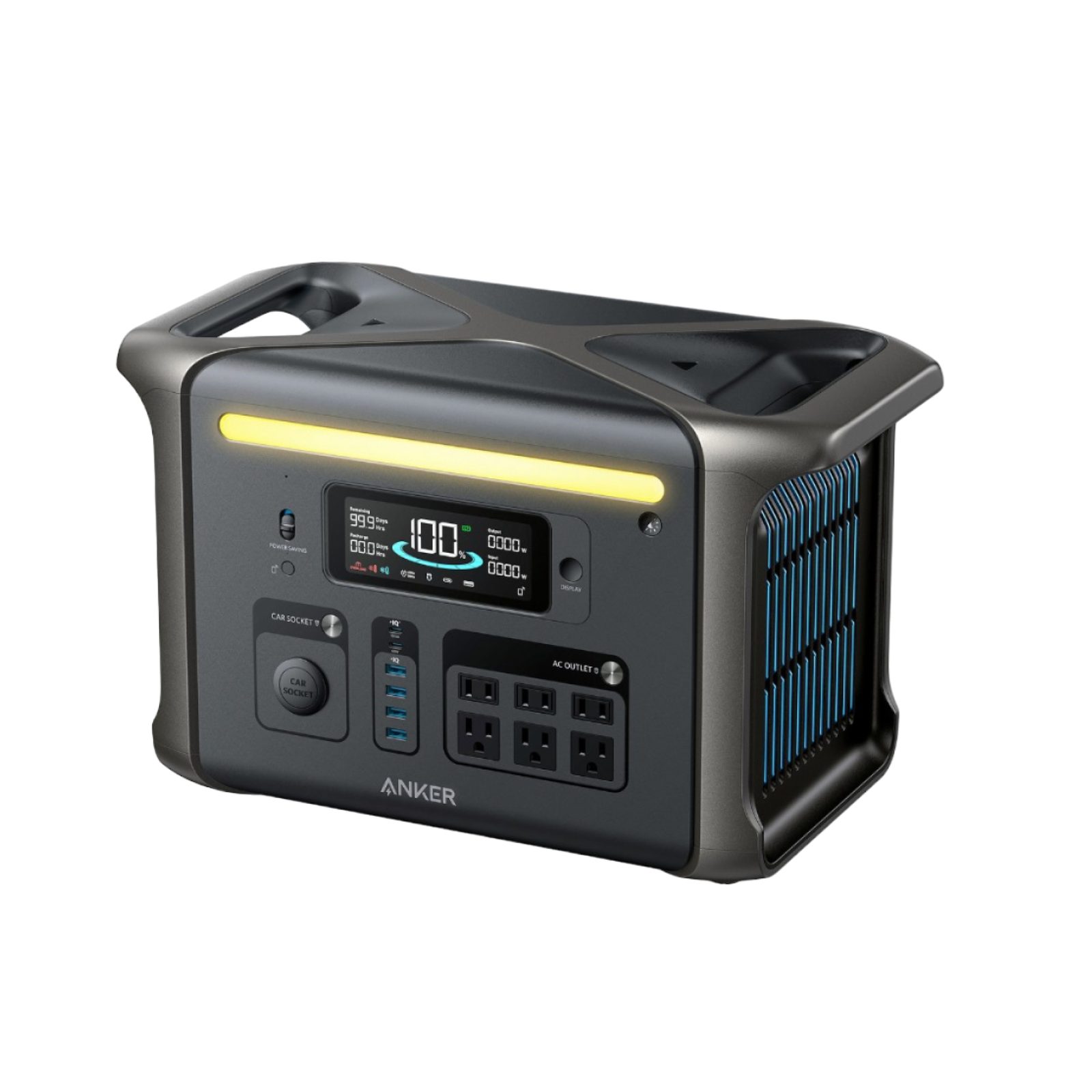
Runs a CPAP for about 43.5 hours
$600at Anker SOLIX US, checked November 15, 2026
Product page and current price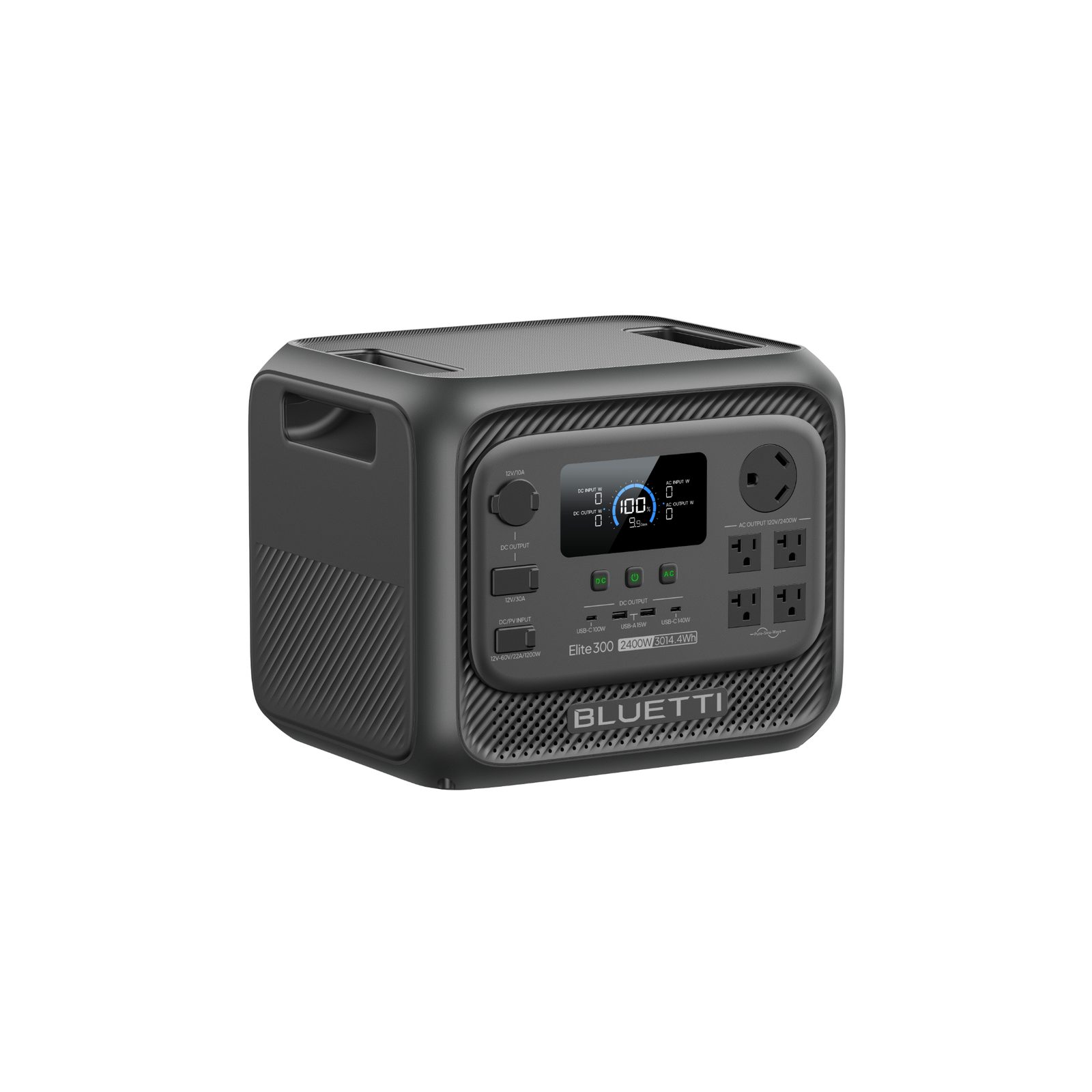
Runs a CPAP for about 3.6 days (85 hours)
$1,199at bluettipower.com, checked November 15, 2026
Product page and current price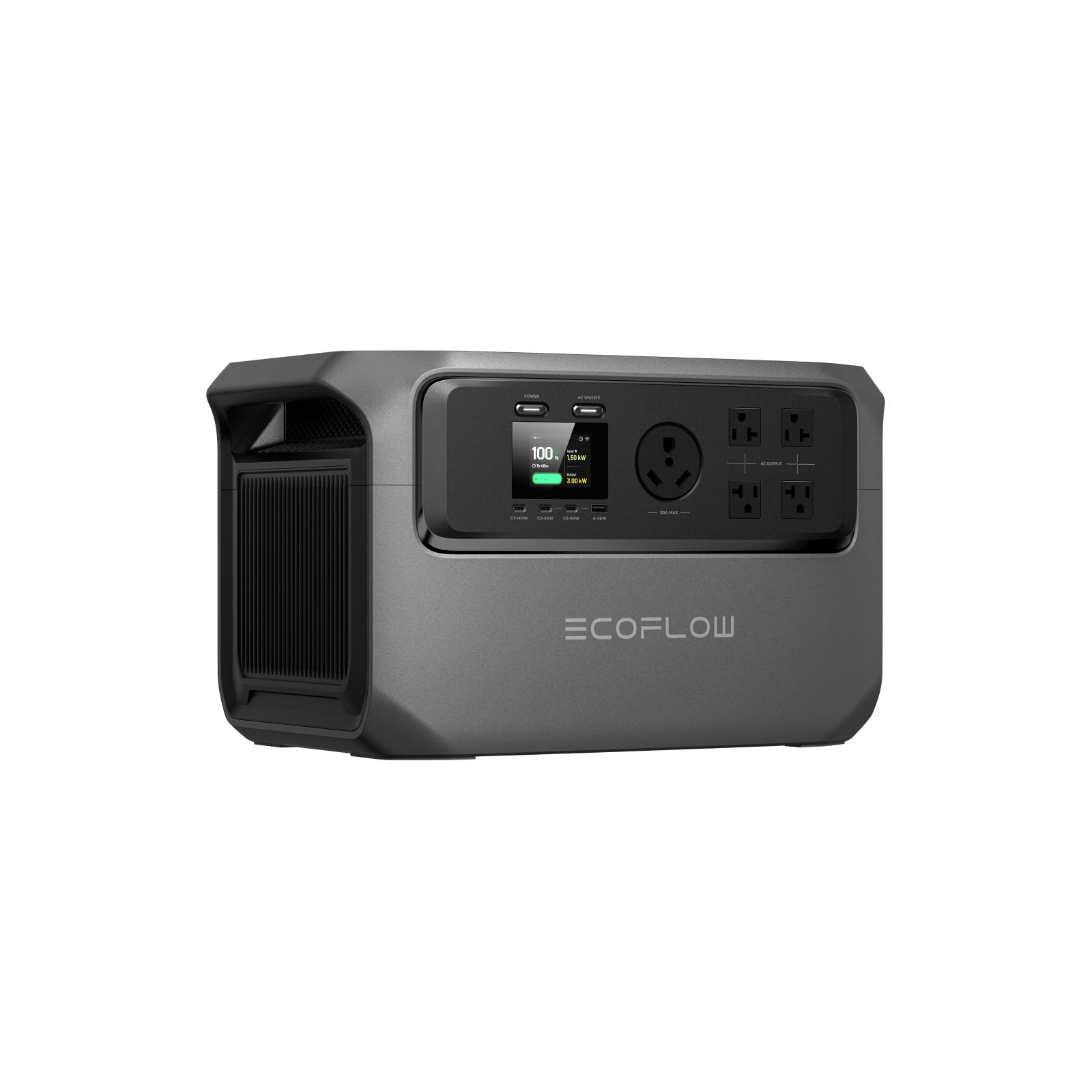
Runs a CPAP for about 3.6 days (87 hours)
$1,299at EcoFlow US, checked November 15, 2026
Product page and current priceThere is no run share to explain here, and that is the point worth understanding: most appliances on this site get their battery life from resting part of each hour, and a CPAP never rests. Its 30-watt average is also why it is the friendliest load in an outage: on a mixed list (fridge, lights, phones), adding a CPAP costs less battery than the lights do. If a CPAP is the reason you are buying a battery at all, you are shopping in the small, light, inexpensive end of the catalog, and the grid below is ranked by value so the cheapest good answers come first.
One appliance is the start, not the outage plan. See what this load does alongside the rest of your list.
Open the calculator with a CPAP tickedOr start from the whole list at once in the runtime calculator.