If your house heats with gas, oil, or propane, the fuel is not your outage problem. The fan is. A furnace moves its warm air with an electric blower, and the igniter and controls are electric too, so a house with a full gas line goes cold the moment the power does, unless something powers the fan. The blower on a typical gas furnace draws about 500 watts while it runs and runs about half of each hour in cold weather, an average of 250 watts. Its starting push is about 1,500 watts.
That fan is doing two jobs: it heats the people, and it keeps the house's pipes in warm air, which is what stands between a winter outage and a burst pipe. The full three-clock picture (heat, pipes, food) is the winter outage guide.
On the planning figures this site uses, a furnace fan draws 500 watts while it runs and averages 250 watts across the day, because it only runs about 50% of each hour. Battery hours are the battery you can actually spend (about 85% of the printed size) divided by that average. The best-value battery we cover for this job, the FOSSiBOT F3600 Pro, runs a furnace fan for about 13.1 hours.
This appliance draws 500 watts while it runs, about 50% of each hour on average (250 watts averaged out), and needs a starting push of 1,500 watts.
64 batteries we cover can run a furnace fan on their own: each one puts out at least 500 watts without stopping and can burst at least 1,500 watts for the starting push. Ranked the way this site ranks everything, lowest price per usable watt hour first.
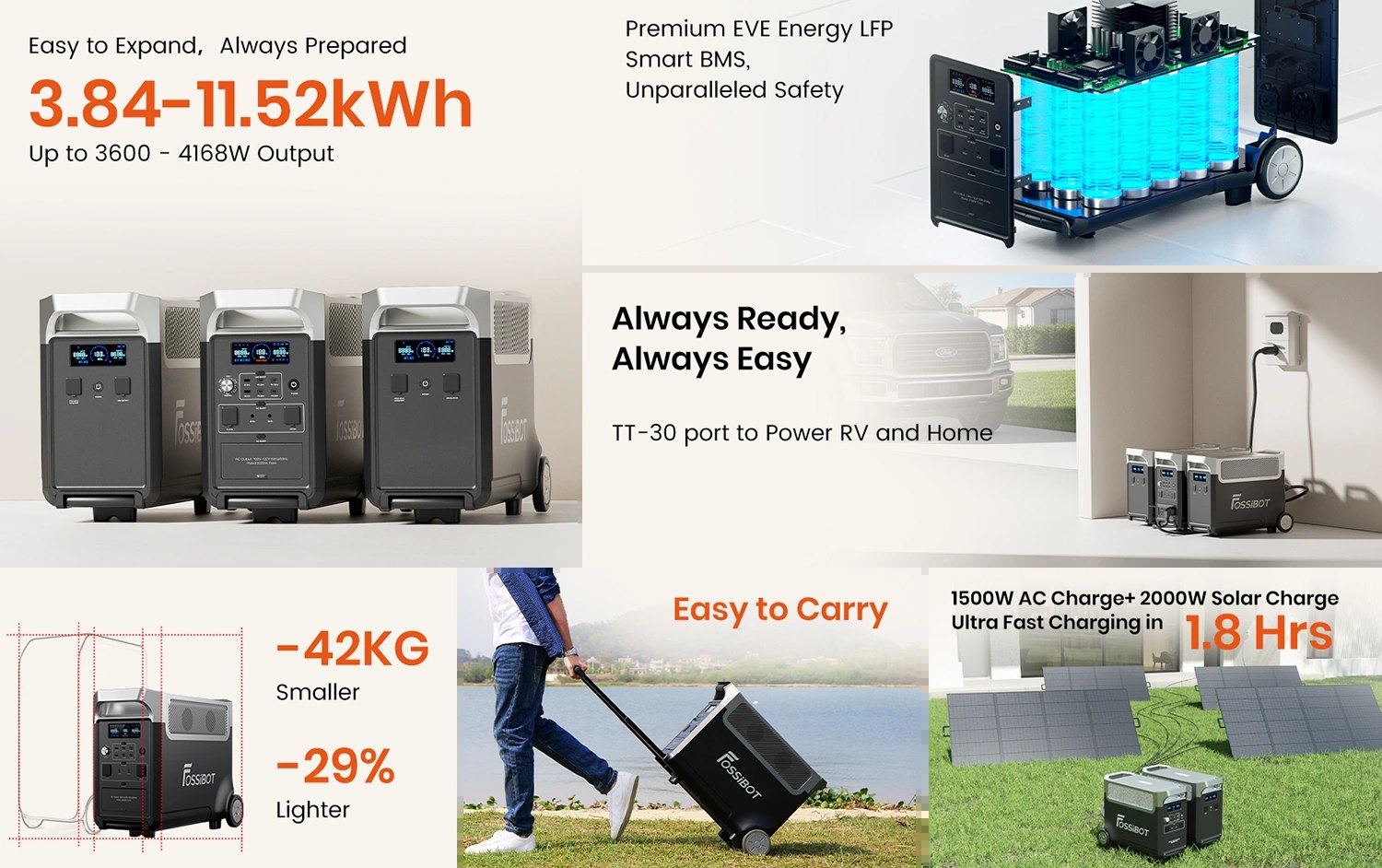
Runs a furnace fan for about 13.1 hours
$1,159at FOSSiBOT US, checked November 15, 2026
Product page and current price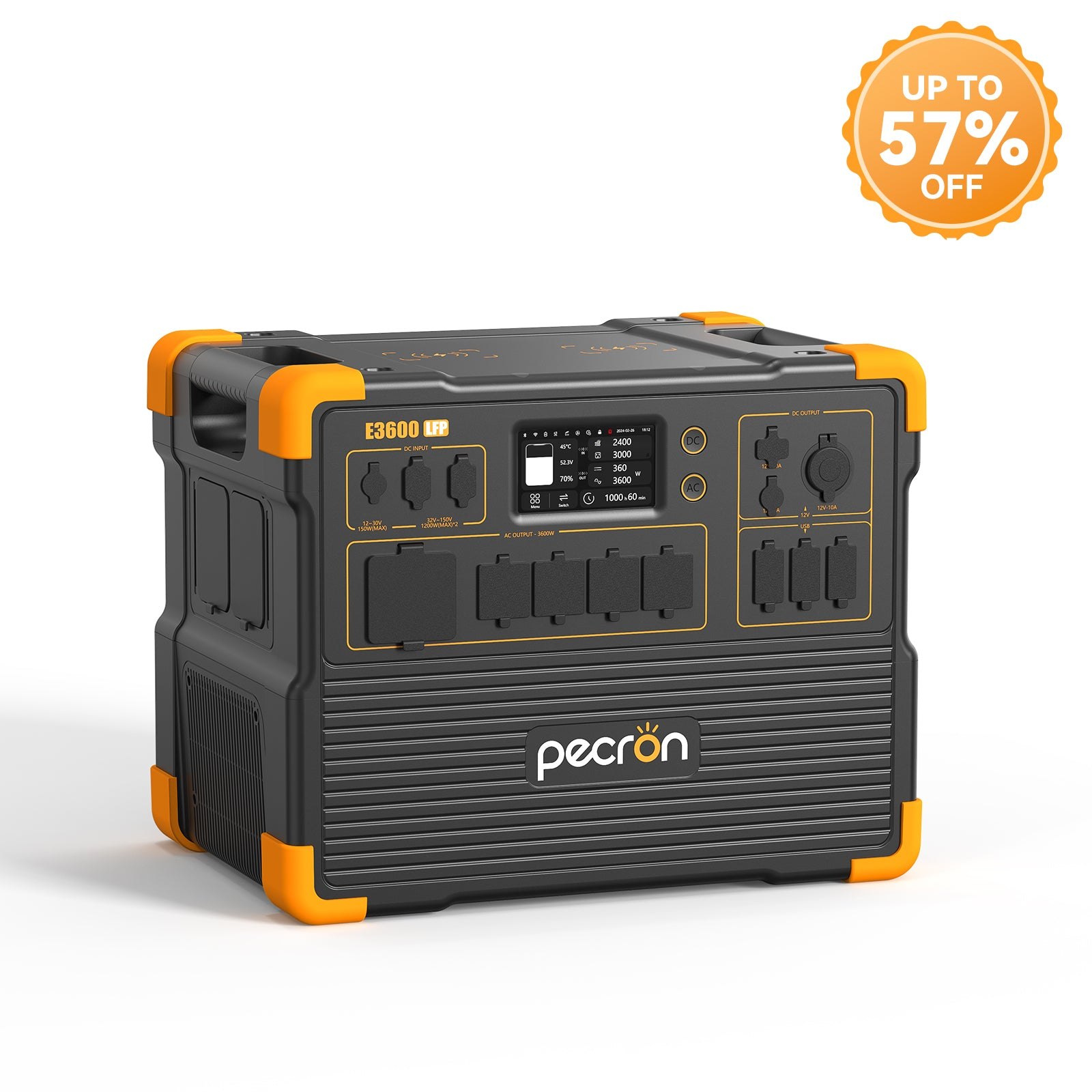
Runs a furnace fan for about 10.4 hours
$999at Pecron, checked November 15, 2026
Product page and current price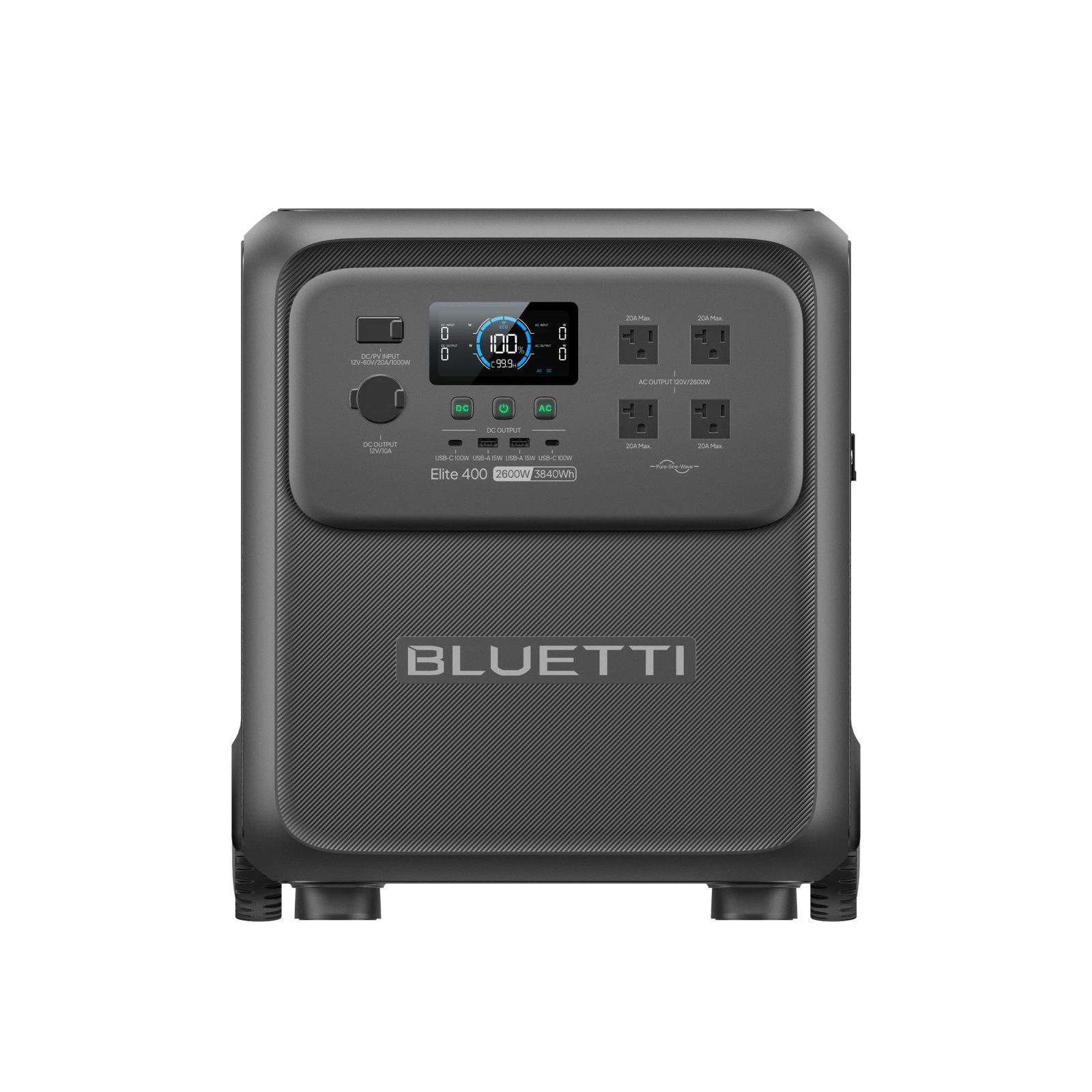
Runs a furnace fan for about 13.1 hours
$1,499at bluettipower.com, checked November 15, 2026
Product page and current price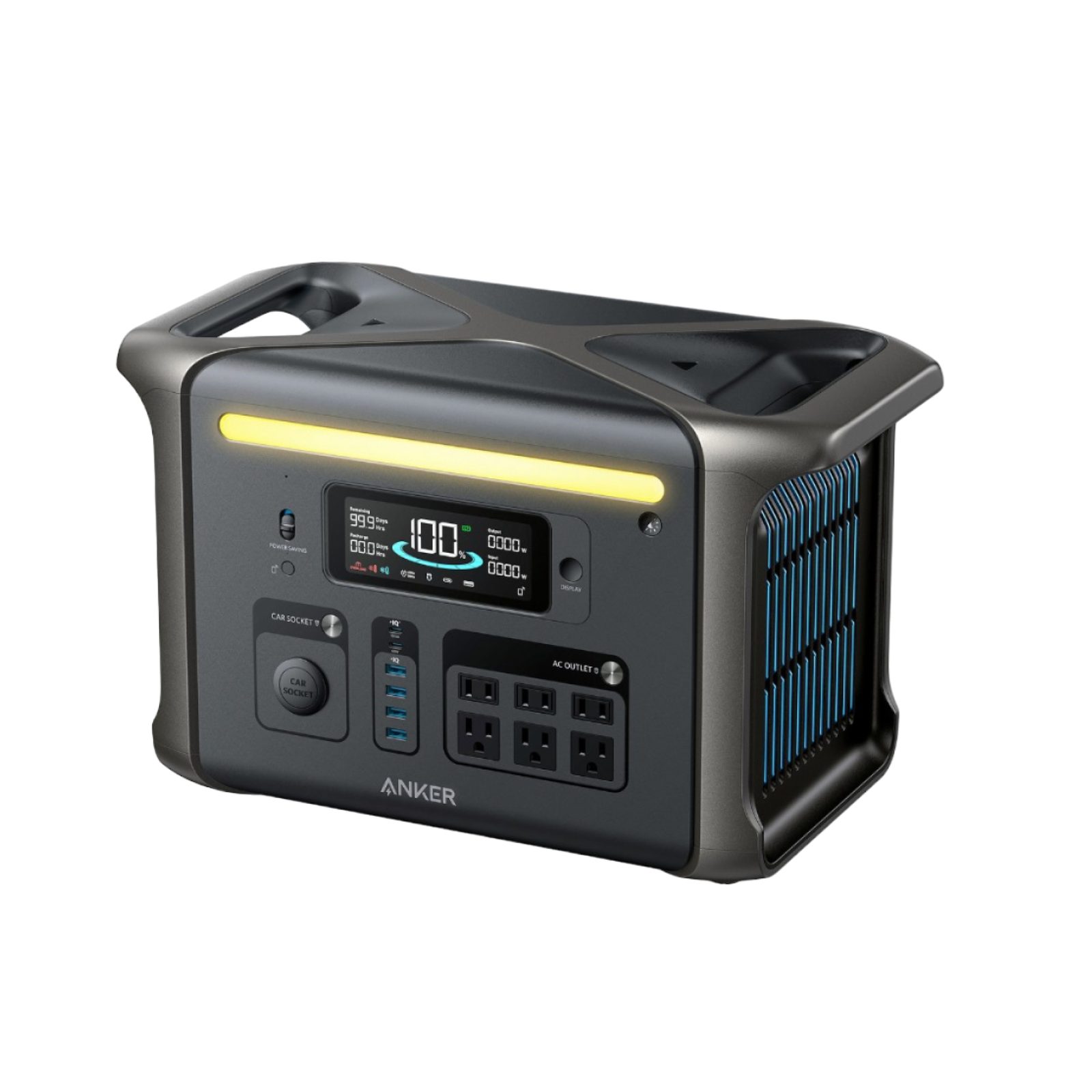
Runs a furnace fan for about 5.2 hours
$600at Anker SOLIX US, checked November 15, 2026
Product page and current price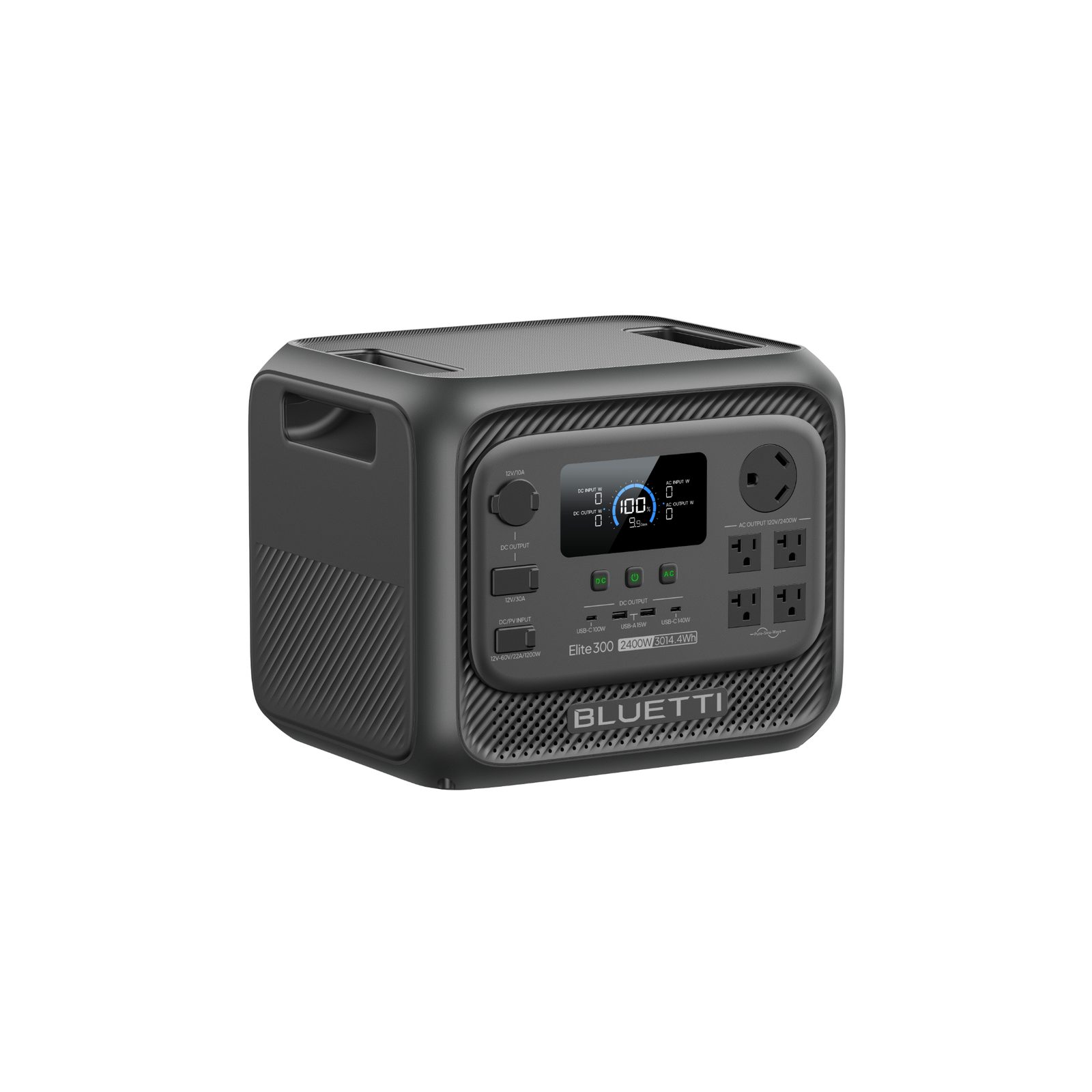
Runs a furnace fan for about 10.2 hours
$1,199at bluettipower.com, checked November 15, 2026
Product page and current price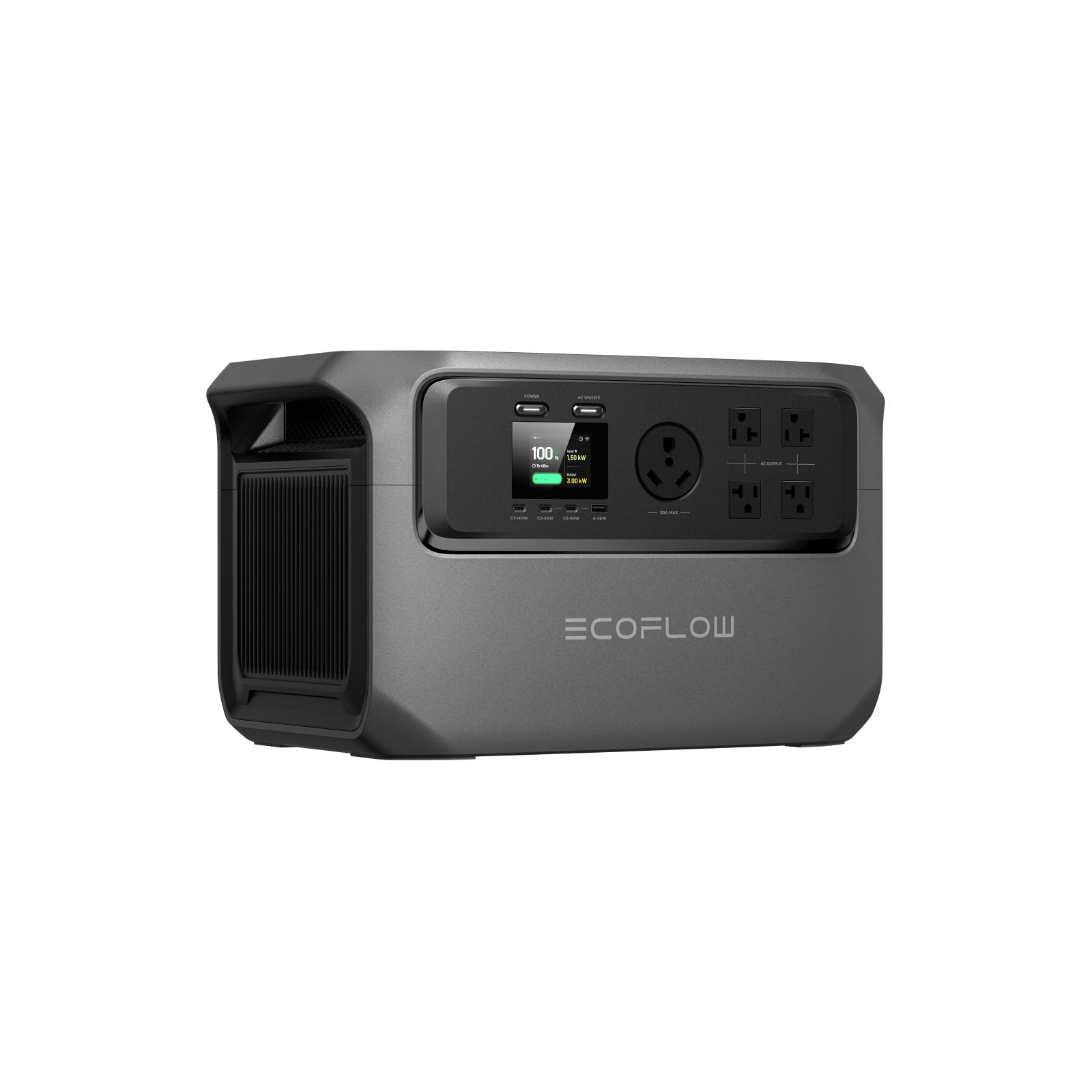
Runs a furnace fan for about 10.4 hours
$1,299at EcoFlow US, checked November 15, 2026
Product page and current priceThe furnace fan's run share follows the weather, not the clock. On a mild night the furnace might run a third of each hour; in deep cold, with the house losing heat as fast as the furnace makes it, the fan can run two thirds of the hour or more, and the battery hours shrink in step. The 50 percent planning figure sits in the middle on purpose. If your outage lands in a hard freeze, plan on the pessimistic side: take the hours below and assume the real number is a quarter lower. And never substitute a stove, an oven, or a grill for the furnace; carbon monoxide is the winter outage killer, and it gives no warning.
One appliance is the start, not the outage plan. See what this load does alongside the rest of your list.
Open the calculator with a furnace fan tickedOr start from the whole list at once in the runtime calculator.