A chest freezer is the cheapest insurance in the house. Its motor draws 120 watts while it runs and, in a cool room, runs only about 25 percent of each hour, an average of 30 watts. Like the fridge, it needs a starting push of about 1,200 watts each time the motor kicks on, so the battery's burst figure matters as much as its size.
And a freezer starts with a head start: a full freezer with the door closed holds a safe temperature for about 48 hours with no power at all (about 24 hours if half full), per USDA guidance. A battery does not have to beat the whole outage. It has to beat what is left after the freezer's own insulation has done its shift, which is why even a mid-size station covers a freezer for days.
On the planning figures this site uses, a chest freezer draws 120 watts while it runs and averages 30 watts across the day, because it only runs about 25% of each hour. Battery hours are the battery you can actually spend (about 85% of the printed size) divided by that average. The best-value battery we cover for this job, the FOSSiBOT F3600 Pro, runs a chest freezer for about 4.5 days (109 hours).
This appliance draws 120 watts while it runs, about 25% of each hour on average (30 watts averaged out), and needs a starting push of 1,200 watts.
66 batteries we cover can run a chest freezer on their own: each one puts out at least 120 watts without stopping and can burst at least 1,200 watts for the starting push. Ranked the way this site ranks everything, lowest price per usable watt hour first.
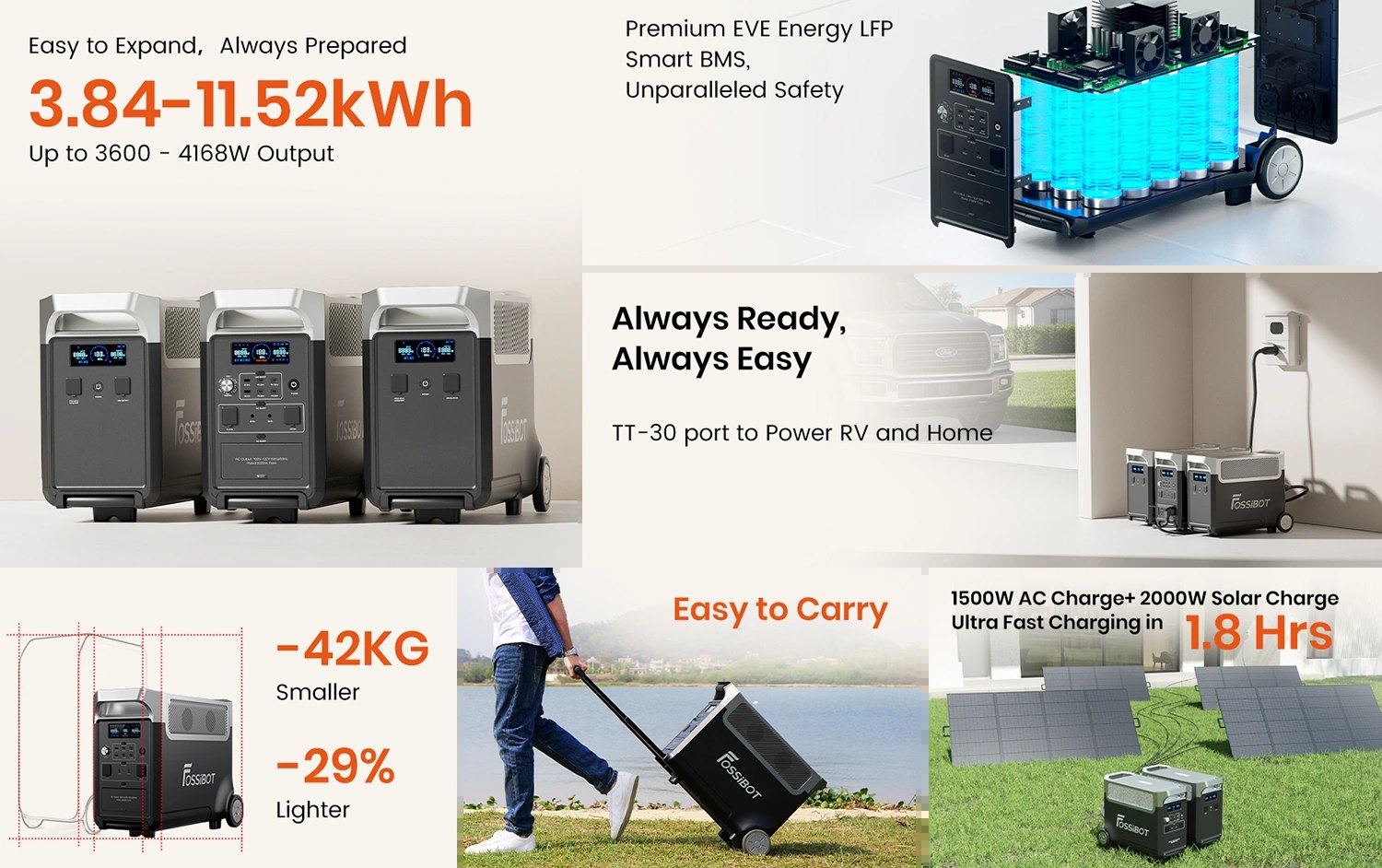
Runs a chest freezer for about 4.5 days (109 hours)
$1,159at FOSSiBOT US, checked November 15, 2026
Product page and current price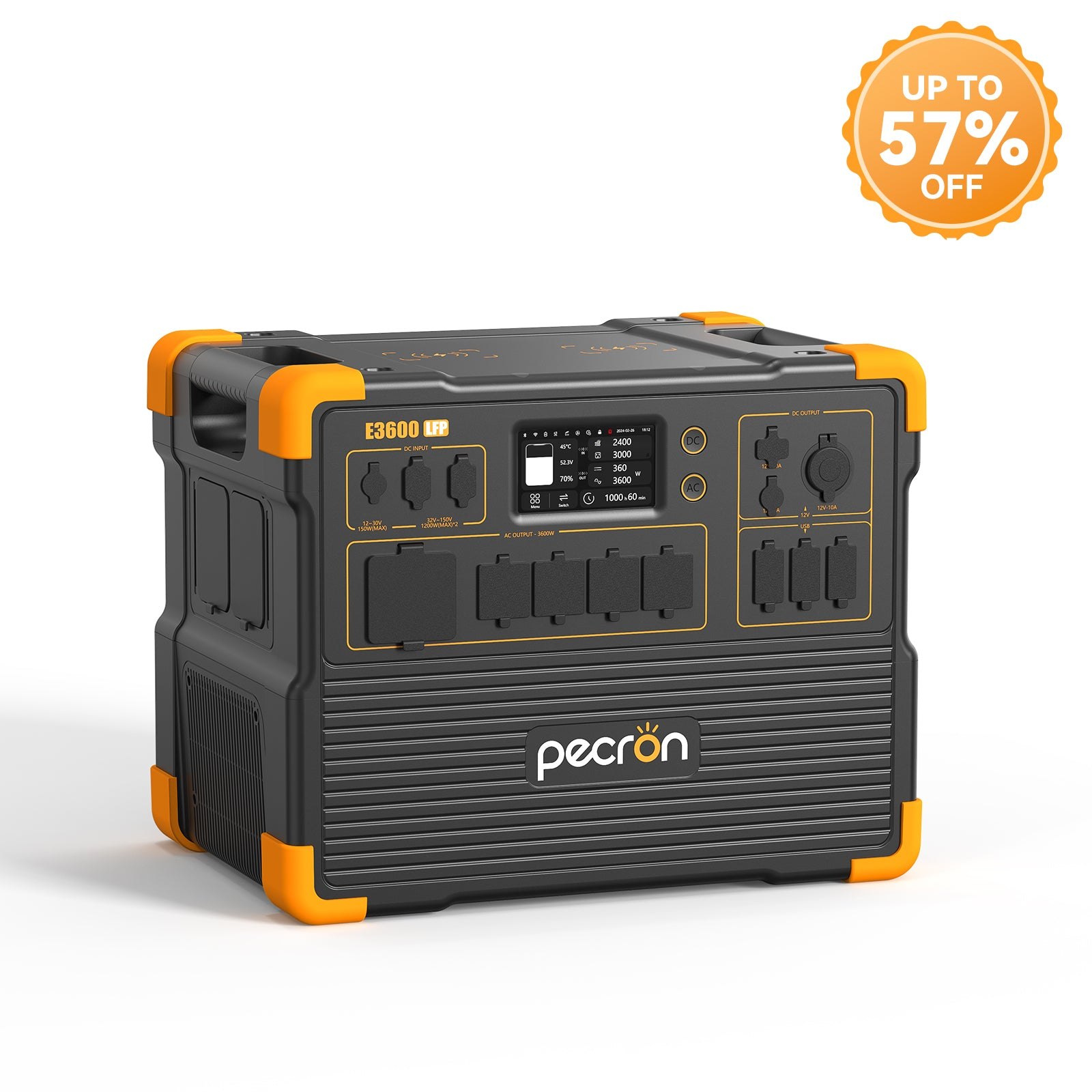
Runs a chest freezer for about 3.6 days (87 hours)
$999at Pecron, checked November 15, 2026
Product page and current price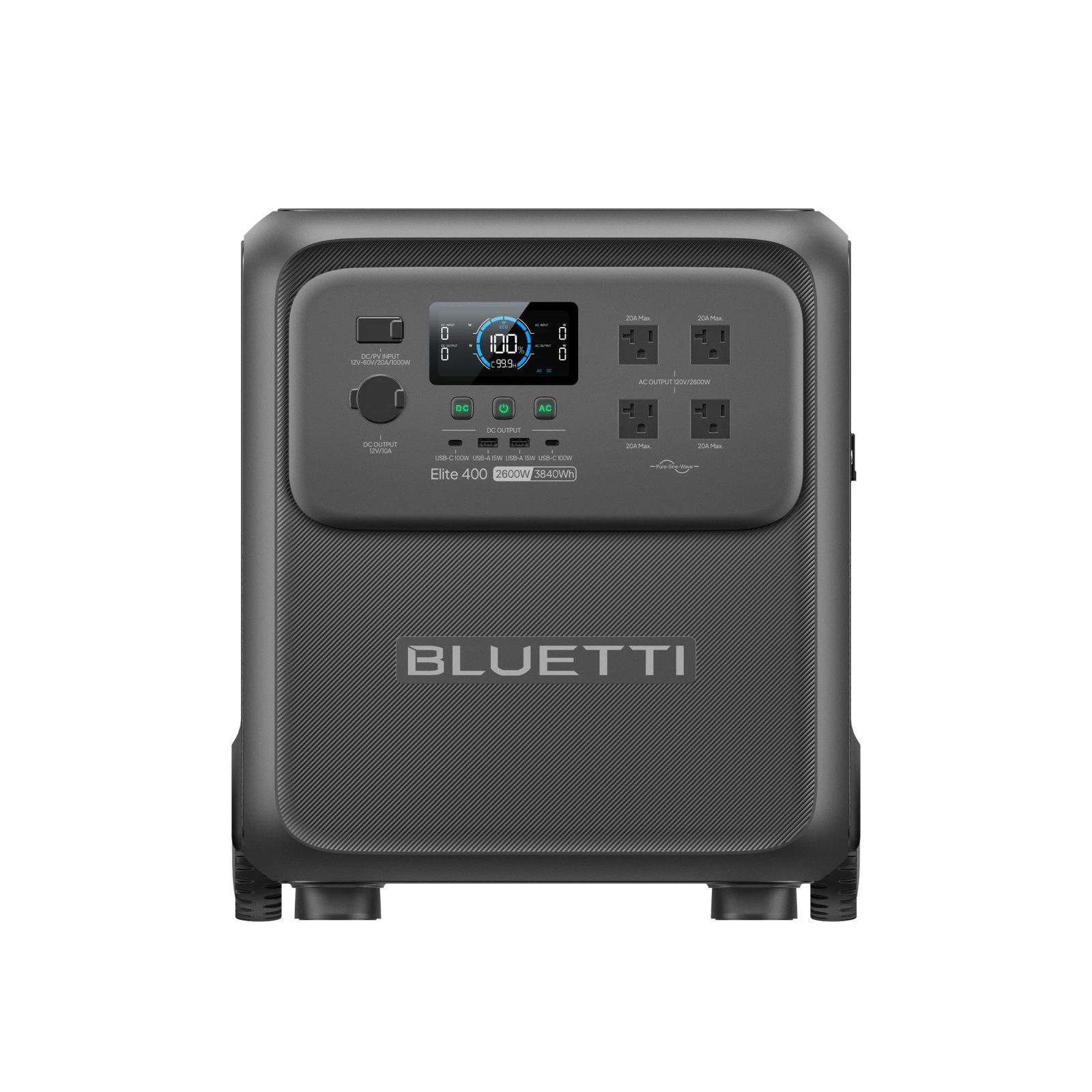
Runs a chest freezer for about 4.5 days (109 hours)
$1,499at bluettipower.com, checked November 15, 2026
Product page and current price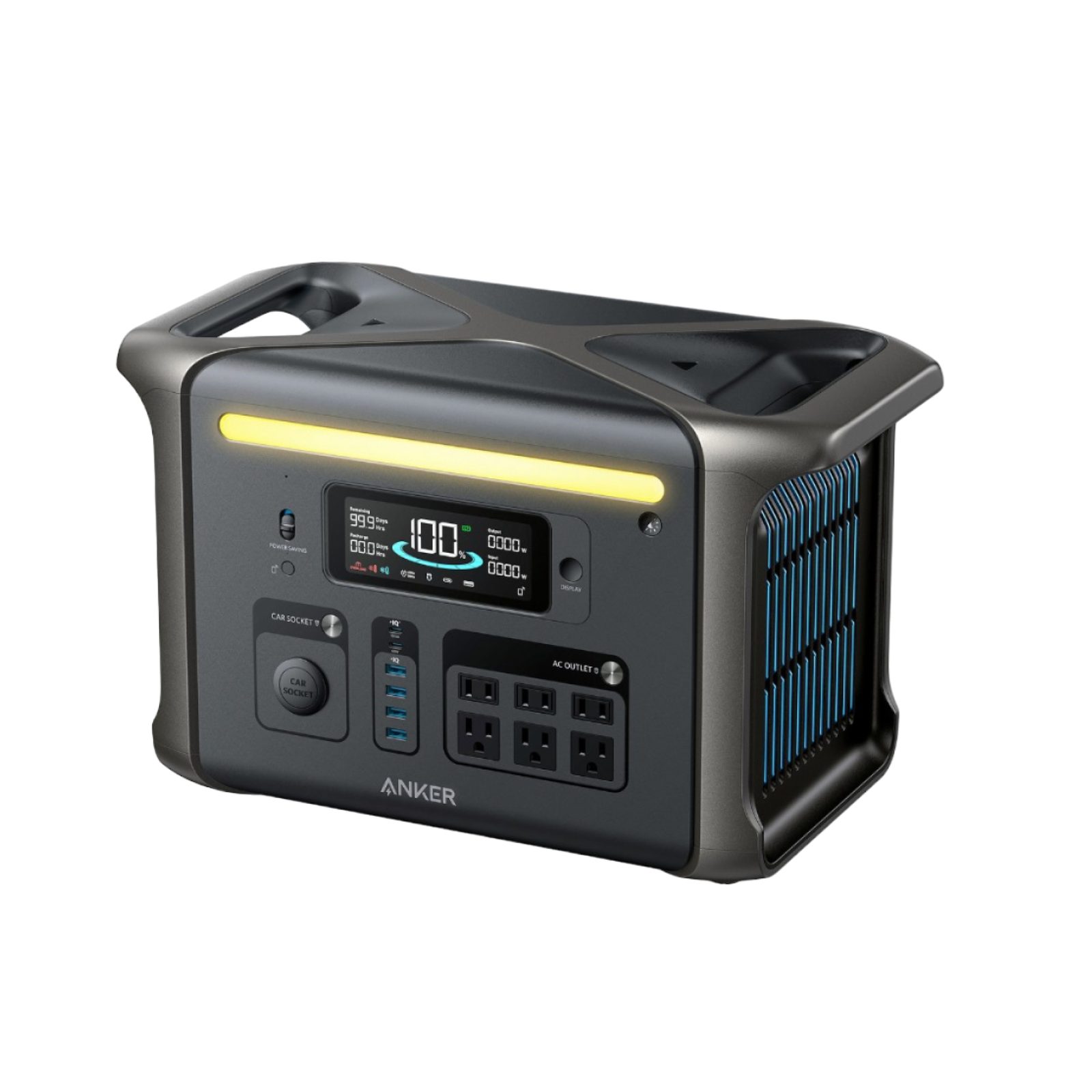
Runs a chest freezer for about 43.5 hours
$600at Anker SOLIX US, checked November 15, 2026
Product page and current price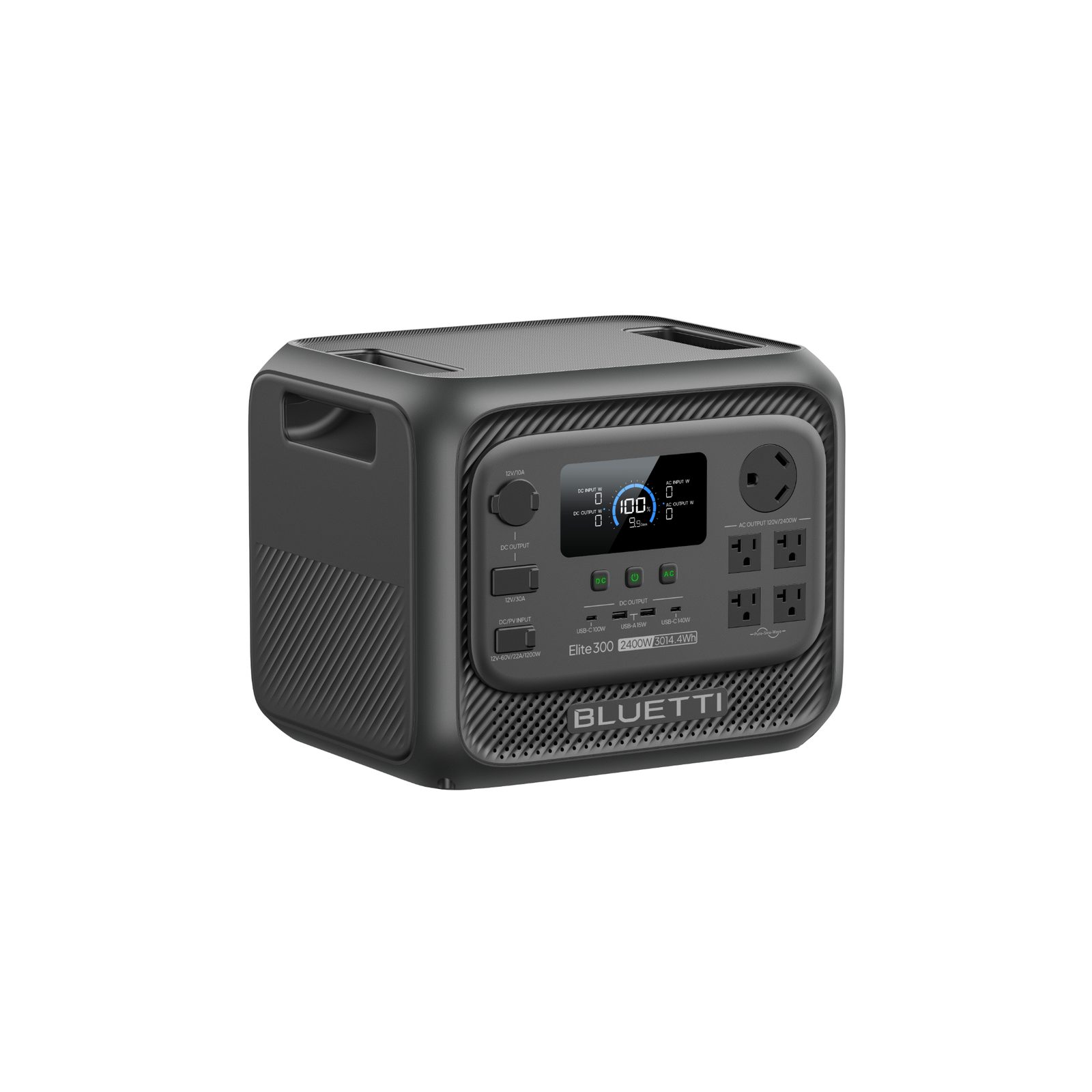
Runs a chest freezer for about 3.6 days (85 hours)
$1,199at bluettipower.com, checked November 15, 2026
Product page and current price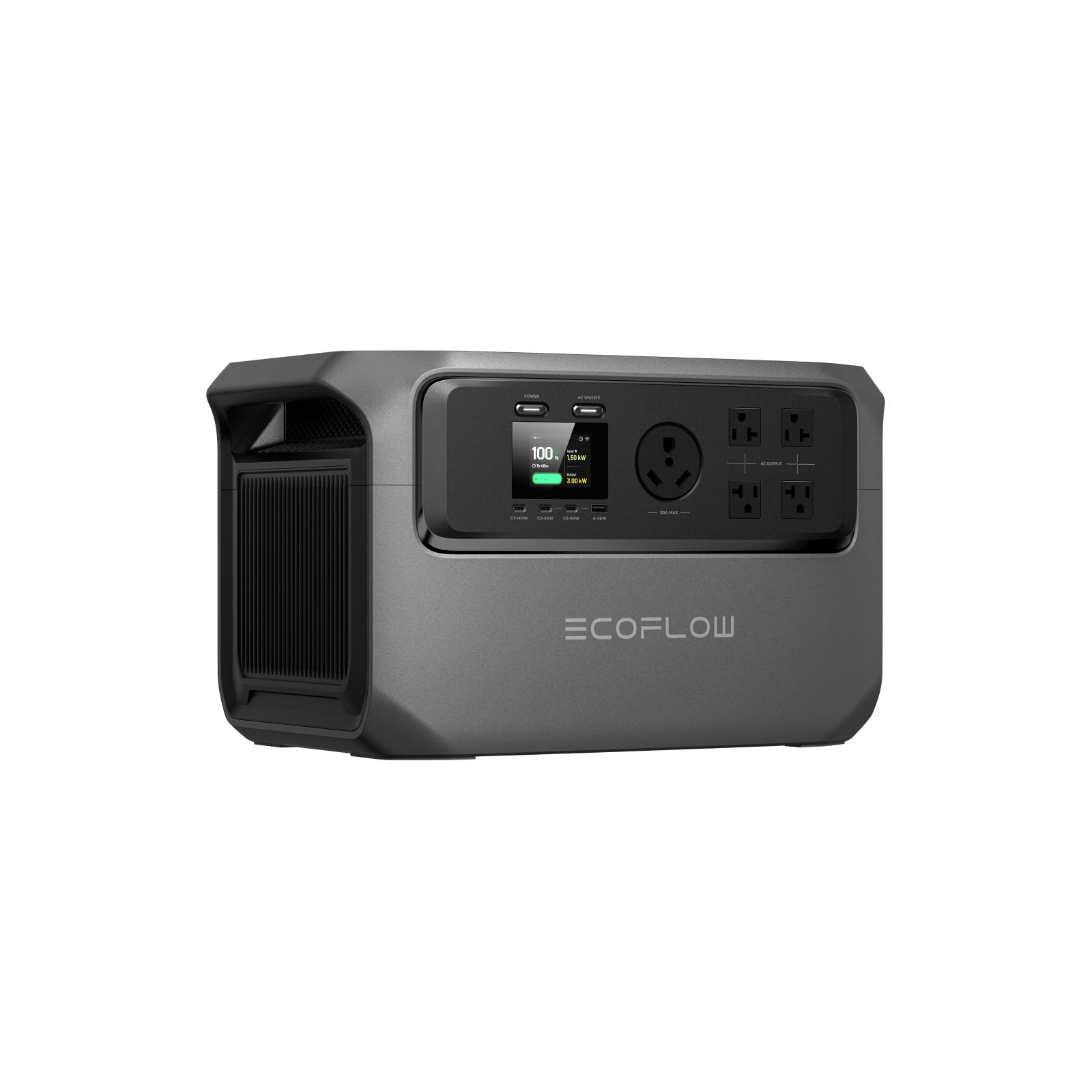
Runs a chest freezer for about 3.6 days (87 hours)
$1,299at EcoFlow US, checked November 15, 2026
Product page and current priceTwo things move the freezer's run share: how full it is and where it sits. A full freezer is a block of frozen food that holds its own cold, so the motor rests more; a nearly empty one cycles harder. A freezer in a cold garage in winter barely runs at all, and the same freezer in a summer garage works double. Fill the empty space with jugs of water before storm season: they freeze, they steady the temperature, and they are drinkable later. The fridge and freezer guide covers the full discipline list.
One appliance is the start, not the outage plan. See what this load does alongside the rest of your list.
Open the calculator with a chest freezer tickedOr start from the whole list at once in the runtime calculator.